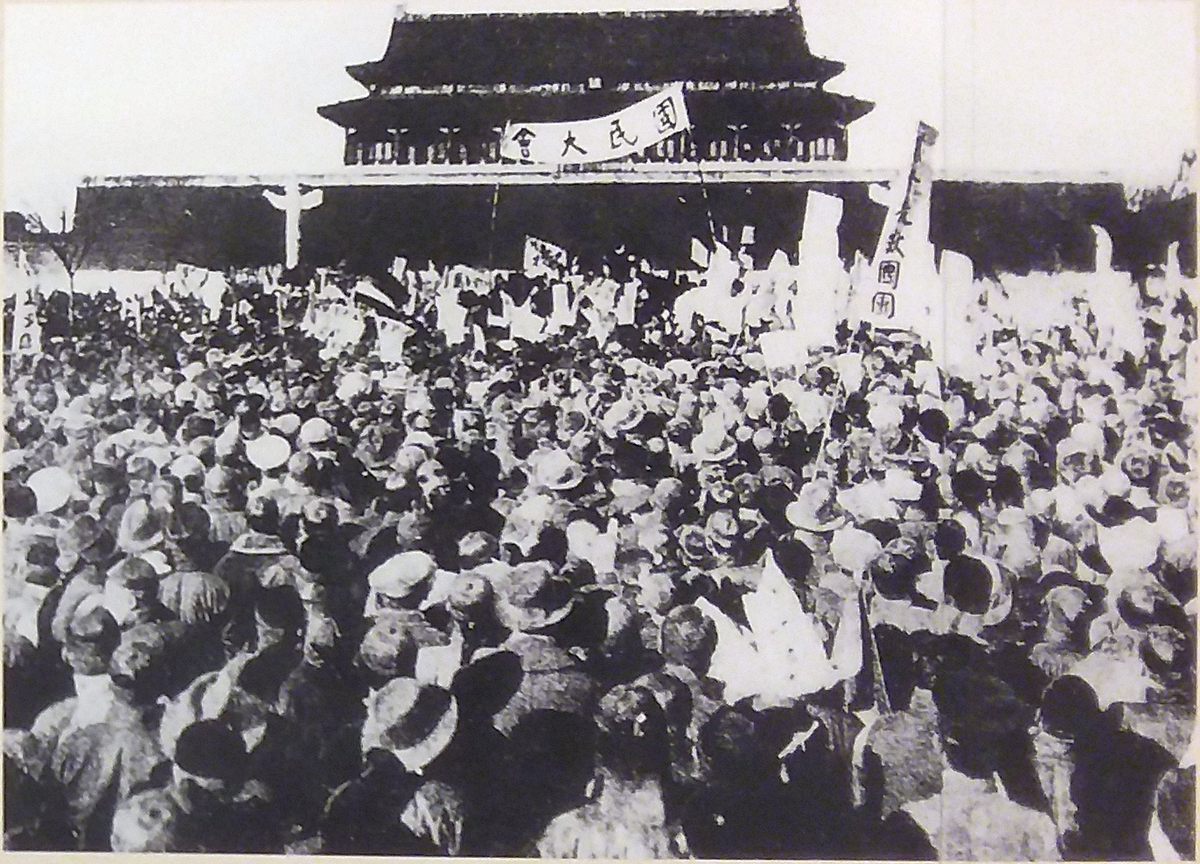
May Fourth Movement: Cultural and Political Shifts in China
China

Political
3 min read
Updated By: History Editorial Network (HEN)
Published:
Updated:
The May Fourth Movement in China was a cultural and political uprising sparked by the dissatisfaction of Chinese intellectuals and students towards the government's weak response to the Treaty of Versailles. The treaty had awarded formerly Chinese territories to Japan instead of returning them to China, fueling anti-imperialist sentiments among the population. The movement advocated for modernization, democracy, and the rejection of traditional Chinese values in favor of Western ideas.
As a result of the May Fourth Movement, there was a surge in nationalism and a push for social and political reforms in China. The movement played a pivotal role in shaping the course of Chinese history, leading to the founding of the Chinese Communist Party in 1921 and influencing the establishment of the Republic of China.
The May Fourth Movement demonstrated the power of mass movements in influencing government policies and galvanizing public opinion. It marked a turning point in Chinese history, symbolizing a transition towards a more modern and progressive society. The legacy of the movement continues to resonate in China's ongoing pursuit of social and political change.
#MayFourthMovement #ChineseHistory #AntiImperialism #SocialReform #Democracy
Primary Reference
https://en.wikipedia.org/wiki/May_Fourth_Movement

Explore the Life Moments of
 AI Twin