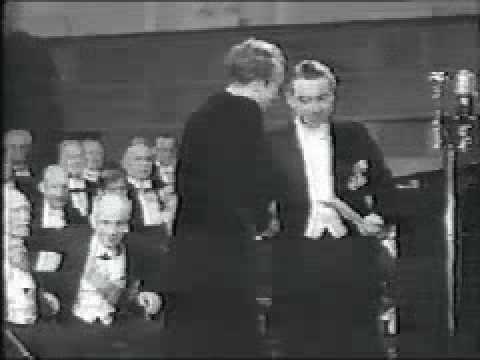
Gabriela Mistral wins the Nobel Prize for Literature, highlighting Chilean cultural achievements on the global stage
Chile

8 min read
Updated By: History Editorial Network (HEN)
Published:
On November 15, 1945, Chilean poet Gabriela Mistral was awarded the Nobel Prize in Literature, making her the first Latin American author to receive this prestigious honor. This momentous achievement not only celebrated Mistral's extraordinary literary contributions but also highlighted Chile's cultural prominence on the global stage.
Early Life and Career
Gabriela Mistral, born Lucila Godoy Alcayaga on April 7, 1889, in Vicuña, Chile, had a humble upbringing. Her early life was marked by personal hardships, including the abandonment by her father and the tragic loss of a young lover. These experiences deeply influenced her poetry, infusing it with themes of sorrow, love, motherhood, and social justice.
Mistral's career as a poet and educator began in her teens when she started writing for local newspapers. Her breakthrough came in 1914 when her collection of poems, "Sonetos de la Muerte" ("Sonnets of Death"), won a national prize. Her poignant and passionate verses quickly gained recognition, leading to her becoming a prominent literary figure in Chile and Latin America.
Literary Achievements
Mistral's poetry is celebrated for its emotional depth, lyrical beauty, and profound reflections on human experiences. Her major works include:
"Desolación" (1922): This collection established her international reputation, showcasing her themes of pain, loss, and the human condition.
"Ternura" (1924): A more optimistic and nurturing work, focusing on childhood and motherhood.
"Lagar" (1954): Written later in her life, this collection reflects her mature voice, addressing themes of exile, identity, and the natural world.
Beyond her poetry, Mistral was a dedicated educator and diplomat. She worked in various countries, promoting educational reforms and cultural exchange, which further broadened her impact and visibility.
The Nobel Prize
The Nobel Prize in Literature awarded to Gabriela Mistral in 1945 was a landmark event. The Nobel Committee recognized her "lyric poetry which, inspired by powerful emotions, has made her name a symbol of the idealistic aspirations of the entire Latin American world." Her win was a source of immense pride for Chile and Latin America, as it acknowledged the region's rich cultural and literary traditions.
Impact on Chile and Latin America
Mistral's Nobel Prize win had several significant impacts:
Cultural Recognition: It placed Chilean and Latin American literature in the global spotlight, encouraging greater international interest and appreciation for the region's artistic contributions.
Inspiration: Mistral's success inspired countless writers, especially women and Latin Americans, to pursue literary careers, knowing that their voices could achieve global recognition.
Educational Advocacy: Her prominence as an educator and advocate for social justice was reinforced, highlighting the interconnectedness of cultural and educational advancements.
Legacy
Gabriela Mistral's legacy endures through her profound literary works and her influence as a cultural and educational icon. She remains a celebrated figure in Chilean and Latin American history, symbolizing the power of literature to transcend personal and national boundaries.
Her contributions to poetry and education continue to inspire new generations, affirming the enduring relevance of her work. Mistral's life and achievements are a testament to the transformative power of literature and the vital role of cultural figures in shaping national and international identities.
#MomentsOfLife #MoofLife_Moment #MoofLife #GabrielaMistral #NobelPrize #ChileanLiterature #CulturalAchievements #LatinAmericanLiterature #Poetry #1945

Explore the Life Moments of
 AI Twin