Establishment of Chile as a Republic after Chilean war of Independence
Chile
Political
10 min read
Updated By: History Editorial Network (HEN)
Published:
The establishment of Chile as a republic following the Chilean War of Independence is a significant moment in the history of Latin America. This period, marked by a series of battles, political maneuvers, and a fight for sovereignty, culminated in Chile's formal declaration as an independent republic on February 12, 1818.
The Road to Independence
Chile’s quest for independence was part of the larger Latin American wars of independence against Spanish colonial rule. The movement in Chile gained momentum in the early 19th century, inspired by the success of the American and French revolutions and fueled by internal discontent with Spanish authority. The early efforts began with the establishment of the First Junta on September 18, 1810, which marked the beginning of the Chilean struggle for autonomy.
Key Figures and Battles
Bernardo O'Higgins: A pivotal figure in Chile's independence, O'Higgins was a commander and statesman who played a crucial role in the liberation efforts. He collaborated closely with other South American liberators, such as José de San Martín.
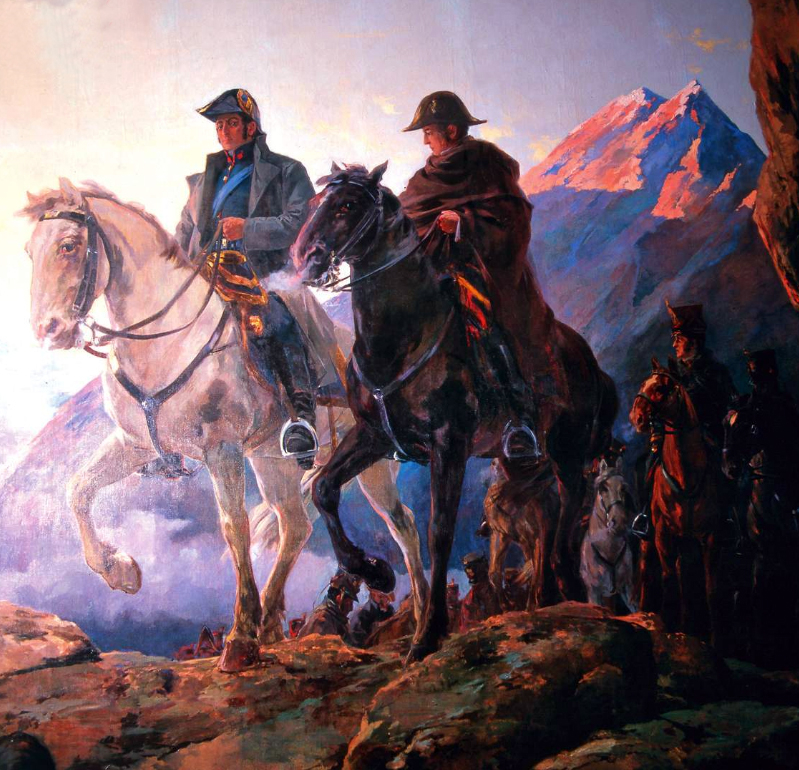
José de San Martín: An Argentine general, San Martín was instrumental in the liberation of several South American countries from Spanish rule. His strategic crossing of the Andes in 1817, along with O'Higgins, led to the decisive victory at the Battle of Chacabuco on February 12, 1817.
Battle of Chacabuco: This battle was a turning point in the Chilean War of Independence. San Martín and O'Higgins's forces defeated the Spanish royalists, which allowed the patriots to enter Santiago and consolidate their power.
Battle of Maipú: On April 5, 1818, the Battle of Maipú sealed the fate of Spanish rule in Chile. The patriot forces, under the command of O'Higgins and San Martín, secured a definitive victory against the royalists. This battle is often cited as the conclusive engagement that ensured Chile's independence.
The Declaration of Independence
Following the successes in battle, the formal declaration of Chile’s independence was proclaimed on February 12, 1818, in Talca. The Act of Independence was signed by Bernardo O'Higgins, who became the Supreme Director of the new republic. This date, however, commemorates the earlier victory at Chacabuco, symbolizing both military and political triumph.
Establishing the Republic
With independence secured, the focus shifted to nation-building. O'Higgins' government undertook significant reforms to stabilize the fledgling republic. These included:
Administrative Reforms: O'Higgins worked on creating a centralized administrative structure. His government implemented policies to promote economic development, including land reforms and the encouragement of agriculture and mining.
Educational Reforms: Recognizing the importance of education, O'Higgins established the National Institute and the Library of Chile, aiming to foster a well-informed citizenry capable of contributing to the nation's development.
Foreign Relations: Establishing diplomatic relations with other nations was crucial. Chile sought to secure its sovereignty by engaging with other countries and forming alliances that would protect its interests.
Challenges and Legacy
O'Higgins' tenure as Supreme Director was not without challenges. His authoritative style and reforms faced opposition, leading to political instability. In 1823, he was forced to resign and went into exile in Peru. Despite this, his contributions to Chilean independence and state formation remain highly regarded.
Chile's journey from a colony to an independent republic was fraught with challenges, but it laid the foundation for the nation's future. The battles fought and the sacrifices made during the war of independence are remembered as crucial steps toward establishing a sovereign and democratic Chile.
Conclusion
The establishment of Chile as a republic after the Chilean War of Independence is a testament to the resilience and determination of its people. The efforts of leaders like Bernardo O'Higgins and José de San Martín, combined with the collective will of the Chilean populace, forged a new path for the country. This period of history not only marks the birth of the Chilean republic but also highlights the broader movement for independence across Latin America, contributing to the end of colonial rule in the region.
Hashtags
#MomentsOfLife #MoofLife_Moment #MoofLife #ChileanIndependence #BernardoOHiggins #BattleOfChacabuco #BattleOfMaipu #JoséDeSanMartín #LatinAmericanHistory #Sovereignty
Explore the Life Moments of
 AI Twin