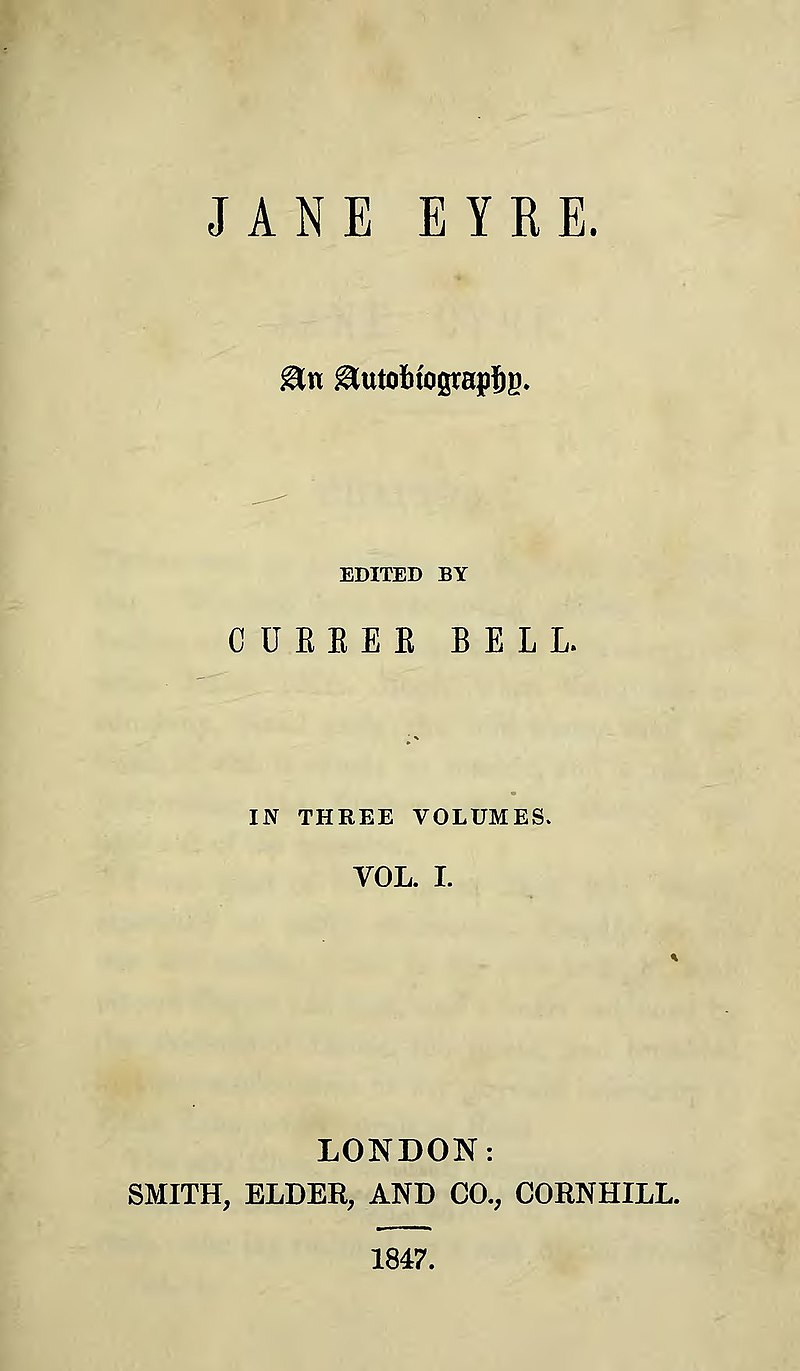
Charlotte Submits Second Manuscript Jane Eyre and gets Published
England
Literature
Historical Fiction
Gothic Novels
4 min read
Updated By: History Editorial Network (HEN)
Published:
Updated:
Charlotte Brontë, writing under the pseudonym Currer Bell, submitted her second manuscript, _Jane Eyre_, after her first novel, _The Professor_, was rejected. The submission of _Jane Eyre_ marked a pivotal moment in her literary career, as it was accepted and published within a short span of six weeks. The novel presents the life story of Jane Eyre, a young woman who faces numerous challenges, including a troubled childhood and difficult experiences at school. Eventually, she becomes a governess in a remote Yorkshire mansion, where she develops a complex relationship with her employer, Mr. Rochester. The narrative explores themes of love, morality, and social criticism, while also delving into the psychological struggles of its protagonist.
The impact of _Jane Eyre_ on literature was profound, as it introduced a strong, independent female voice that was rare for its time. The novel's innovative use of first-person narrative allowed readers to experience Jane's thoughts and emotions intimately, breaking away from traditional storytelling methods. The combination of Romanticism, naturalism, and gothic elements in the book contributed to its unique style, making it a significant work in the canon of English literature. _Jane Eyre_ not only achieved commercial success but also influenced future generations of writers, particularly in the portrayal of complex female characters and the exploration of social issues. The novel has since been adapted into various forms, including films, stage productions, and television series, further cementing its status as a classic.
#mooflife
#MomentOfLife
#CharlotteBrontë
#JaneEyre
#LiteraryHistory
#FemalePerspective
#19thCenturyLiterature
Primary Reference
Jane Eyre

Explore the Life Moments of
 AI Twin