Serialization of David Copperfield
4 min read
Updated By: History Editorial Network (HEN)
Published:
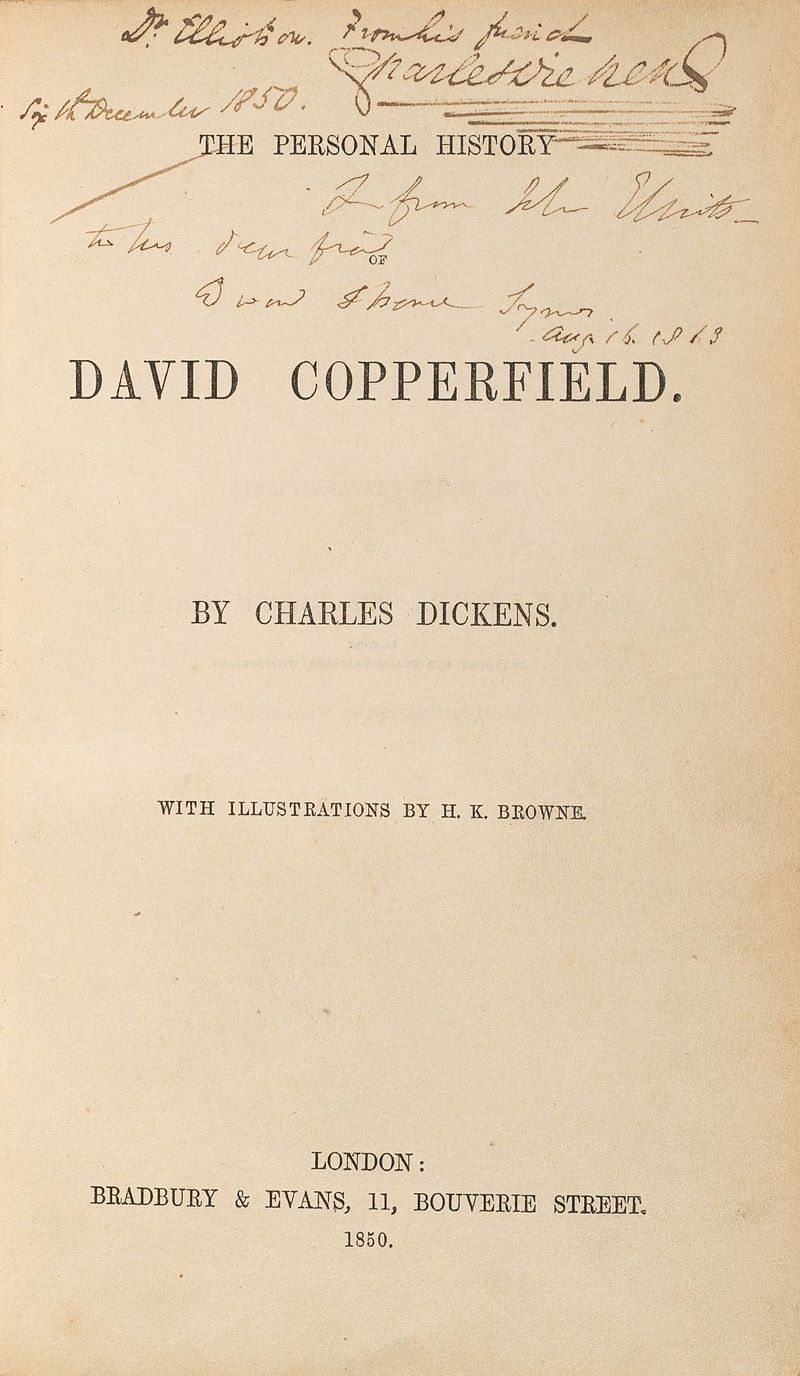
David Copperfield, a novel by Charles Dickens, was first published in serial form between May 1849 and November 1850. The serialization followed the standard Victorian publishing format of monthly installments, a common practice for Dickens and other authors of the time. Each installment was released by Bradbury and Evans, Dickens’s publishers, and typically included a portion of the story alongside illustrations by Hablot Knight Browne, also known as “Phiz.” The first part appeared on May 1, 1849, and the final part was released on November 1, 1850, totaling 19 monthly parts. This method of publication helped Dickens reach a broad audience and build suspense around the plot, ensuring continued interest in the unfolding narrative.
The serialization of David Copperfield was a commercial success and contributed significantly to Dickens’s literary reputation. The story, which is widely considered to be semi-autobiographical, traces the life of David from childhood to maturity, dealing with themes such as personal development, social class, and injustice. The serialized format allowed readers to engage with the protagonist’s growth in real-time, making it one of Dickens’s most personal and enduring works. Following its conclusion in serialized form, the novel was published as a single-volume book in 1850. Serialization shaped both the pacing and structure of the narrative, reinforcing Dickens’s mastery of the form.
#DavidCopperfield #CharlesDickens #VictorianLiterature #SerialPublishing #BritishLiterature #Mooflife #MomentsOfLife
Primary Reference
David Copperfield

Explore the Life Moments of
 AI Twin