Publication of A Christmas Carol
Literature
Christmas Literature
Adaptations
4 min read
Updated By: History Editorial Network (HEN)
Published:
Updated:
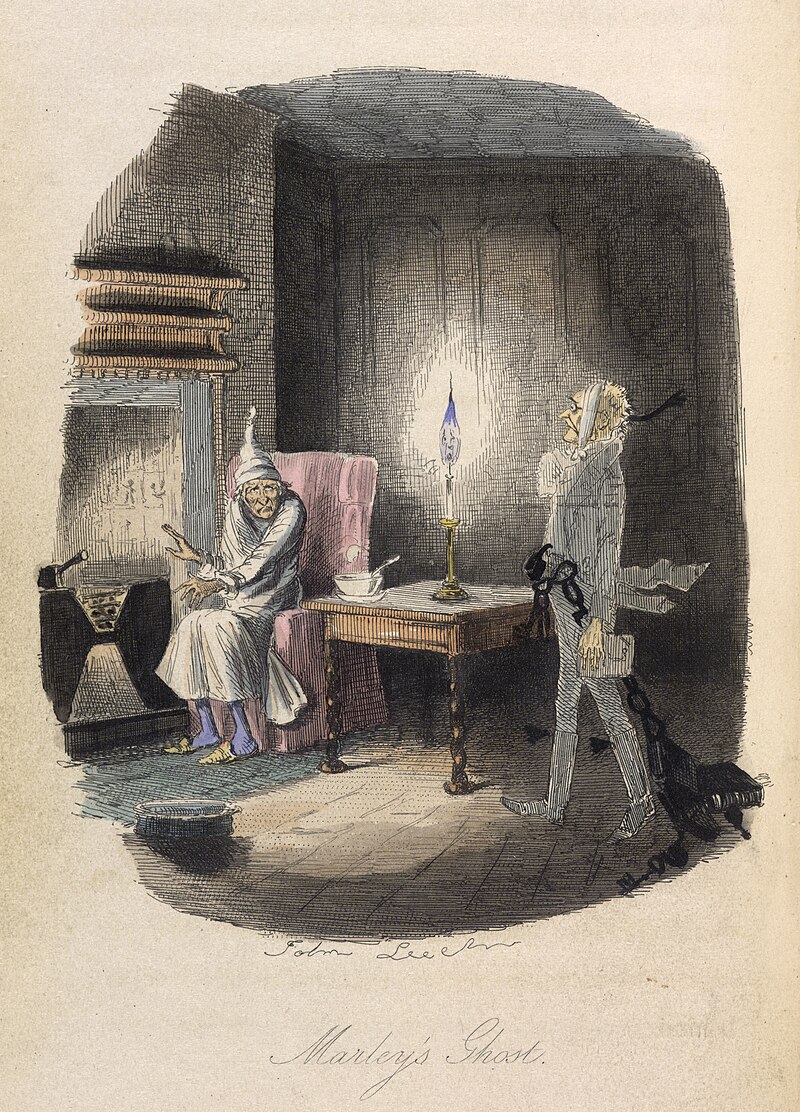
The publication of A Christmas Carol marked a pivotal moment in literature, showcasing Charles Dickens' ability to blend social commentary with engaging storytelling. The novella tells the story of Ebenezer Scrooge, a miser who undergoes a profound transformation after being visited by three spirits on Christmas Eve. This narrative not only entertains but also addresses themes of redemption, compassion, and the social issues of the time, particularly the plight of the poor. Dickens wrote A Christmas Carol during a period when the Industrial Revolution was reshaping society, leading to stark contrasts between wealth and poverty. The novella's impact was immediate, resonating with readers and prompting discussions about social responsibility and the importance of community. It is estimated that the first edition sold out within days, reflecting its popularity and the public's appetite for stories that highlighted moral lessons and human kindness.
A Christmas Carol has since become a cultural touchstone, inspiring countless adaptations across various media, including film, theater, and television. Its characters, particularly Scrooge, have entered the lexicon of popular culture, symbolizing the potential for change and the spirit of Christmas. The novella has been translated into numerous languages, further extending its reach and influence. Studies indicate that the themes presented in A Christmas Carol continue to resonate with contemporary audiences, as issues of inequality and social justice remain relevant today. The story's enduring legacy is evident in the annual resurgence of adaptations and performances during the holiday season, reinforcing its status as a classic work that encourages reflection on personal values and societal obligations.
#mooflife
#MomentOfLife
#AChristmasCarol
#CharlesDickens
#Literature
#SocialCommentary
#HolidayAdaptations
Primary Reference
A Christmas Carol

Explore the Life Moments of
 AI Twin