Charles Dickens in Staplehurst Rail Crash
Literature
Historical Events
Biographies
4 min read
Updated By: History Editorial Network (HEN)
Published:
Updated:
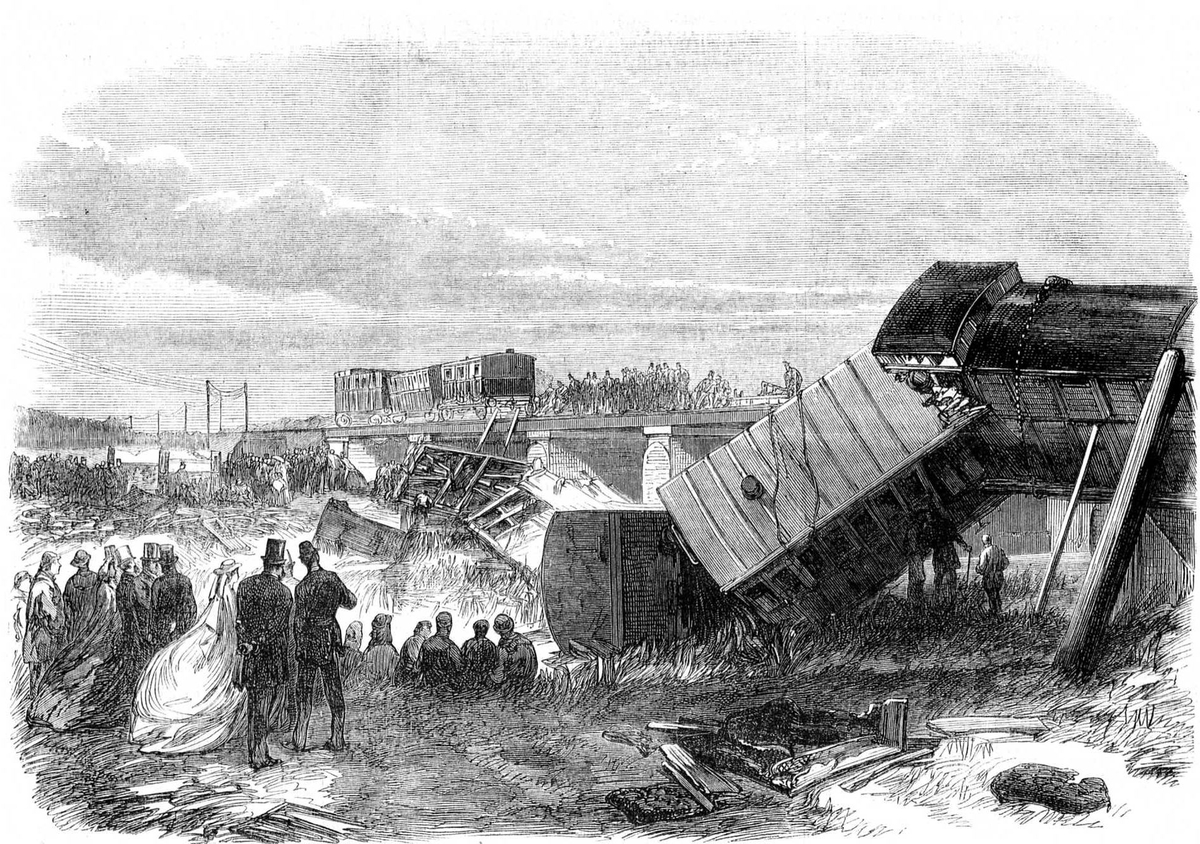
Charles Dickens was involved in the Staplehurst rail crash while returning from Paris with Ellen Ternan. The incident occurred when the train's first seven carriages fell off a cast iron bridge that was undergoing repairs, leading to the deaths of ten passengers. Remarkably, the only first-class carriage that remained on the track was the one occupied by Dickens, which was precariously positioned at the edge of the bridge. For three hours, Dickens provided assistance to the injured, using a flask of brandy and a hat filled with water to comfort the wounded and dying until rescuers arrived. He also took the time to retrieve his unfinished manuscript for 'Our Mutual Friend' from the carriage before leaving the scene. The traumatic experience influenced Dickens's writing, as he later incorporated elements of the crash into his short ghost story, 'The Signal-Man', which explores themes of premonition and disaster, drawing inspiration from other rail accidents, including the Clayton Tunnel rail crash in Sussex.
Following the crash, Dickens developed a fear of train travel, which affected his behavior in subsequent journeys. He expressed feelings of terror even in other forms of transport, such as hansom cabs, describing these sensations as sudden and unreasonable yet insurmountable. His son, Henry, noted that Dickens would often panic during minor jolts in railway carriages, gripping the seat tightly. To avoid scandal, Dickens chose not to attend the inquest into the crash, as it would have revealed his companionship with Ternan and her mother. This incident not only marked a turning point in Dickens's personal life but also left a lasting impact on his literary work, reflecting the anxieties of the era regarding rail travel and safety.
#mooflife
#MomentOfLife
#CharlesDickens
#StaplehurstRailCrash
#RailwayAccidents
#LiteraryInfluence
#19thCenturyLiterature
Primary Reference
Staplehurst rail crash

Explore the Life Moments of
 AI Twin