Charles de Gaulle's Commitment to Family and Disability Advocacy Through Daughter Anne
France
Political
Social
4 min read
Updated By: History Editorial Network (HEN)
Published:
Updated:
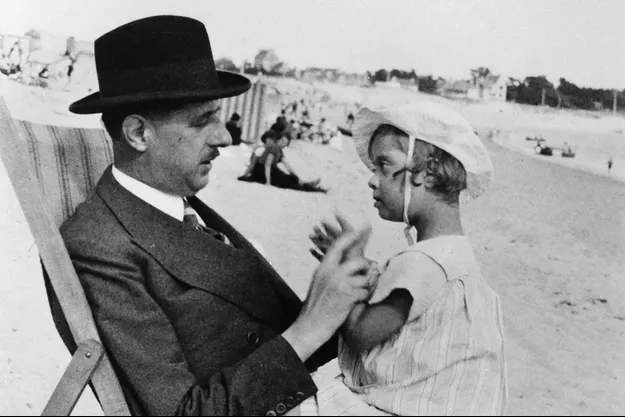
Charles de Gaulle, a prominent figure in French history, and his wife, Yvonne, experienced an important chapter of their lives with the birth of their daughter, Anne. Anne de Gaulle was born with Down syndrome, a genetic disorder caused by the presence of an extra chromosome 21. The birth of Anne had considerable influence on both Charles de Gaulle's personal life and his later public service.
Down syndrome, identified in the 19th century, was less understood at that time, and societal acceptance of individuals with disabilities was limited. The de Gaulles' decision to care for Anne at home, rather than place her in an institution, was an unusual choice given the period's norms. Their commitment highlighted a private dedication to family, which contrasted with de Gaulle’s public persona as a military leader and statesman.
Charles de Gaulle's bond with Anne deeply influenced his perspectives, instilling a sense of empathy and attentiveness towards the marginalized. This connection also shaped Yvonne's philanthropic work, notably her involvement in founding institutions dedicated to assisting children with disabilities. Their efforts contributed to evolving perceptions and the provision of support structures for individuals with Down syndrome in France.
Anne's life, though relatively short, left an enduring legacy. Charles de Gaulle's reflections on her affirmed a personal dimension that informed his broader vision of egalitarian society. The de Gaulles’ handling of Anne's condition set a precedent for the integrative care of individuals with Down syndrome, aligning personal experience with public advocacy.
#MoofLife #CharlesdeGaulle #DownSyndrome #Family #PublicService #Philanthropy
Primary Reference
A Father's Love: The Story of Charles and Anne – Catholic World ...

Explore the Life Moments of
 AI Twin