Darwin's Galápagos Observations: Pivotal Insights on Evolution and Adaptation
United Kingdom
Science
Evolution
4 min read
Updated By: History Editorial Network (HEN)
Published:
Updated:
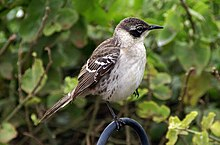
Charles Darwin’s visit to the Galápagos Islands was a critical episode in the development of the theory of evolution by natural selection. During his exploration of the islands, Darwin observed that mockingbirds and tortoise shells exhibited variations that were specific to the islands on which they were found. These observations were pivotal as they highlighted the adaptability of species to their environments.
Darwin collected specimens and made detailed notes. He noted that mockingbirds from one island differed slightly from those on another. Likewise, the shells of tortoises varied in shape and size depending on their island habitats. This pattern suggested that species were not fixed and could change over time, adapting to different conditions and challenges in their environments.
The observations made by Darwin on this trip provided substantial evidence for the concept of adaptation. The differences in species across the Galápagos Islands illustrated how physical separation and environmental factors could lead to divergence in form and function. These findings were fundamental, contributing to Darwin’s formulation of his theory of evolution.
The impact of this visit extends well beyond the initial observations. It informed numerous studies and spurred continued research on evolution, biodiversity, and conservation, cementing the Galápagos Islands as a critical location for biological research.
#DarwinInGalapagos #TheoryOfEvolution #NaturalSelection #ScientificDiscovery #MoofLife
Explore the Life Moments of
 AI Twin