Darwin's Fossil Discoveries: Shaping Paleontology and Evolutionary Thinking
United Kingdom
Science
Paleontology
4 min read
Updated By: History Editorial Network (HEN)
Published:
Updated:
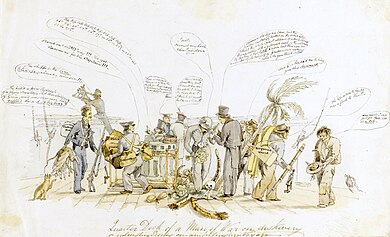
At Punta Alta, Charles Darwin made a discovery that would later contribute significantly to the field of paleontology. Darwin, then a naturalist aboard the HMS Beagle, unearthed large fossils of extinct mammals. These remains were found interspersed with an array of modern seashells. Some of the notable fossils included pieces of species unknown to contemporary science, such as giant ground sloths and ancient horses.
The discovery at Punta Alta provided compelling evidence for the concept of extinct species, a subject of debate at the time. It suggested that species could disappear entirely from the face of the Earth, and new ones could come into existence. This was a challenge to the prevailing belief in the permanence of species, a cornerstone of biological thinking in that era.
The fossil findings were transported back to England, where they were studied further by prominent scientists. Richard Owen, a leading paleontologist, played a crucial role in identifying and describing the fossils Darwin had collected. These evaluations lent credence to the emerging notion that the Earth's biological history was far deeper and more complex than previously understood.
Punta Alta’s discoveries bolstered Darwin’s growing conviction in the evolving nature of species. The juxtaposition of extinct giant mammal bones with current sea life suggested a dynamic history of life on Earth. This experience was pivotal as Darwin began developing the ideas that would eventually lead to his theory of evolution by natural selection.
Relevant hashtags: #DarwinDiscovery #Paleontology #Fossils #Evolution #NaturalSelection #BeagleVoyage #MoofLife

Explore the Life Moments of
 AI Twin