Darwin's Evolutionary Theory: Revolutionizing Biology Through Natural Selection.
United Kingdom
Science
3 min read
Updated By: History Editorial Network (HEN)
Published:
Updated:
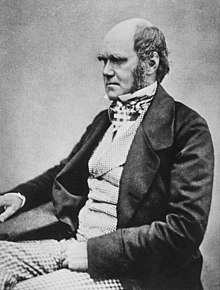
Charles Darwin, an influential naturalist, was well known for his studies on the natural world. During a pivotal period in his research, he was formulating ideas that would eventually transform the understanding of biological evolution. Having traveled widely and collected diverse specimens, including from the Galápagos Islands, he meticulously examined variations across species.
It was during an intensive phase of research that Darwin contemplated the divergence of species. The concept of adaptation to different ecological niches struck him as a possible explanation. Observing finches with different beak shapes suited to various food sources on the Galápagos Islands, combined with studies of other organisms, contributed to this insight.
This realization was a critical element in the formation of his theory of natural selection. It highlighted how species could diverge when populations adapted to different environments, leading to speciation. This idea formed a cornerstone in his seminal work, "On the Origin of Species."
The implications of this theory were far-reaching. Darwin's ideas challenged prevailing views on the unchanging nature of species. They provided a scientific basis for understanding biodiversity and laid the groundwork for modern evolutionary biology.
#MoofLife #Evolution #Darwin #NaturalSelection #EcologicalNiches
Explore the Life Moments of
 AI Twin