Darwin's Earthworm Study: Impacts on Soil Health and Fertility
United Kingdom
Science
4 min read
Updated By: History Editorial Network (HEN)
Published:
Updated:
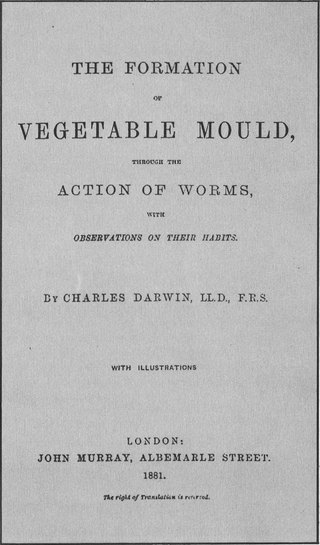
Charles Darwin, renowned for his contributions to evolutionary biology, concluded his publishing career with "The Formation of Vegetable Mould, through the Actions of Worms." This work delved into the intricate process by which earthworms contribute to soil health and fertility. Detailed observations and experiments underpin this scientific study, underscoring worms' pivotal role in breaking down organic matter, enhancing soil structure, and facilitating plant growth.
Darwin collected extensive data over several decades, researching earthworms' habits, physiology, and their impact on the soil. His findings revealed that earthworms efficiently decompose organic material, enriching the soil with nutrients through their castings. The book provided empirical evidence of the transformative effects of earthworms on the environment, distinguishing it from earlier assumptions of worms merely being pests.
The publication sparked considerable interest in soil biology, a field previously overlooked. Darwin's methodical approach and rigorous experimentation inspired future researchers to explore soil ecosystems further. His work on earthworms illustrated how small organisms could significantly impact the broader environment, thus gaining respect and recognition in ecological studies.
Although not as widely known as his theory of natural selection, this book demonstrated Darwin's broad scientific curiosity and meticulous research skills. It added a vital piece to the puzzle of understanding natural processes and their importance for agriculture and ecology.
#Darwin #SoilHealth #Earthworms #Ecology #NaturalProcesses #MoofLife
Explore the Life Moments of
 AI Twin