Darwin's Early Medical Apprenticeship Shaped His Scientific Approach
United Kingdom
Science
4 min read
Updated By: History Editorial Network (HEN)
Published:
Updated:
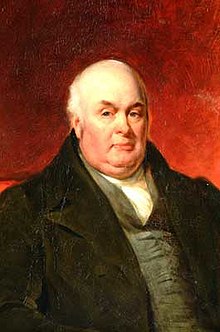
Charles Darwin, before his fame as a naturalist, devoted part of his early life working as an apprentice doctor. Under the guidance of his father, Robert Darwin, he contributed to medical practice in Shropshire, playing a part in treating the local poor population. This period provided young Darwin with firsthand experience in the medical field, exposing him to the practical application of science and the dire health conditions faced by the impoverished.
His father, Robert, was a prominent doctor, well-known for his philanthropic efforts. The tasks ranged from observing his father’s consultations to assisting with various treatments and household remedies. This experience likely influenced Darwin's developing interest in natural sciences, although he eventually decided against a medical career, uncomfortable with surgeries and the sight of blood.
By helping his father, Darwin's work highlighted the socioeconomic contrasts of the time and the critical role of healthcare in rural communities. The apprenticeship helped shape his observational skills and deepened his understanding of human anatomy and physiology, which would later influence his scientific research.
The medical knowledge and observational techniques gained in Shropshire were foundational to Darwin's methodical approach in his future studies. His exposure to different health cases would have enhanced his scientific rigour, which became evident in his meticulous research methods later.
This chapter of his life in Shropshire reflects the early groundwork that eventually led to his revolutionary contributions to natural science and biogeography.
#CharlesDarwin #MedicalApprenticeship #HealthcareHistory #ObservationalSkills #HumanAnatomy #RuralHealthcare #ScientificFoundations #MoofLife
Explore the Life Moments of
 AI Twin