Bank of England Ends Darwin £10 Notes for More Durable Polymer Currency with Jane Austen.
United Kingdom
Business
Economic Downturn
6 min read
Updated By: History Editorial Network (HEN)
Published:
Updated:
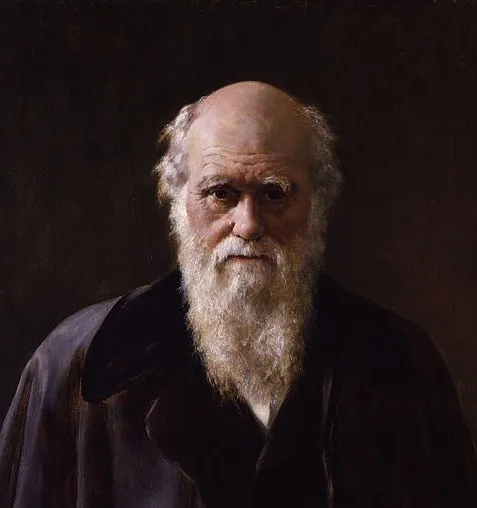
The Bank of England decided to discontinue the £10 banknotes featuring the portrait of Charles Darwin. The decision was part of a broader effort to modernize the currency and introduce the new polymer banknotes, which provide greater security and durability compared to the previous paper notes.
Charles Darwin, a key figure in the field of evolution, had been featured on the £10 banknotes since 2000. His presence on the currency was part of a tradition to honor prominent British historical figures. The new polymer £10 note featured Jane Austen, the renowned author, thereby balancing the representation of contributions across different fields and genders.
The replacement of the Darwin notes was accompanied by a phased withdrawal of the old paper notes from circulation. This process involved substantial logistical coordination with banks, businesses, and consumers. The new polymer notes incorporated advanced security features such as transparent windows, holographs, and sophisticated coloring techniques to combat counterfeiting and increase the lifespan of the currency.
The introduction of the new notes was generally well received. Bank of England's decision was aimed at reducing the economic costs associated with the production and maintenance of paper notes. Polymer notes are known to last around 2.5 times longer than their paper counterparts, making them more economical over time despite their slightly higher initial production costs.
Statistics from the Bank of England demonstrated that the average lifespan of a paper £10 note was approximately one to two years due to wear and tear. In contrast, the polymer notes had a projected lifespan of five years. Additionally, the enhanced security features led to a significant decrease in counterfeit £10 notes, addressing a persistent issue in the UK’s monetary system.
Key outcomes included increased public confidence in the nation's currency and cost savings for the central bank. Public surveys taken showed a majority support for the new notes' durability and security benefits. The transition marked a significant shift in the UK’s approach to currency design and durability.
Overall, the discontinuation of the £10 notes featuring Darwin and the introduction of the new polymer notes with Austen reflected the evolution of currency technology and the Bank of England’s commitment to maintaining robust and secure banknotes.
#MoofLife #Currency #CharlesDarwin #JaneAusten #BankofEngland #PolymerNotes
Explore the Life Moments of
 AI Twin