Carl Sagan at Harvard and Smithsonian: Pioneering Astronomy and Planetary Science
United States of America
Science
Education
3 min read
Updated By: History Editorial Network (HEN)
Published:
Updated:
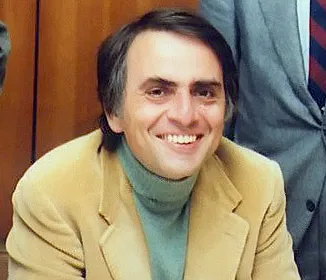
Carl Sagan commenced his role as an assistant professor at Harvard University. At the same time, he took on responsibilities at the Smithsonian Astrophysical Observatory, a premier research center dedicated to the study of the universe. This period marked the early stages of what would become a prolific career in astronomy and space sciences.
At Harvard, Sagan was involved in teaching and mentoring a new generation of scientists, while his work at the Smithsonian provided him access to cutting-edge observational data and research tools. He contributed significantly to the understanding of planetary science, furthering studies on planetary atmospheres, particularly those of Venus and Jupiter.
Sagan’s dual roles facilitated a synergy between educational instruction and pioneering research. By integrating his findings from the observatory with his academic duties, he enriched the curriculum and inspired his students. His combined efforts helped in advancing the field of exobiology and increased interest in the possibilities of life beyond Earth.
#CarlSagan #Harvard #Smithsonian #Astrophysics #PlanetaryScience #MoofLife
Primary Reference
Carl Sagan - Wikipedia
Explore the Life Moments of
 AI Twin