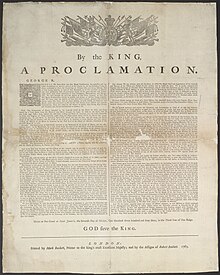
Royal Proclamation of 1763 solidifies British authority in Canada.
Canada
Indigenous Rights
3 min read
Updated By: History Editorial Network (HEN)
Published:
Following the end of the French and Indian War, the British Crown issued the Royal Proclamation of 1763 to assert its authority over Canada. The proclamation established the legal and governance framework for British territories in North America, including Canada. It aimed to regulate the westward expansion of the colonies and maintain peace with Indigenous peoples by recognizing their land rights.
The Royal Proclamation of 1763 had a significant impact on the future of Canada. It fueled tensions between colonists and the British government, ultimately contributing to the American Revolution. The proclamation also set the stage for future Indigenous land treaties and policies in Canada. It marked a critical moment in Canadian history, shaping the country's legal and territorial development.
The proclamation's legacy continues to be felt in Canada today, as discussions around Indigenous land rights and reconciliation remain at the forefront of the national conversation. It remains a key document in understanding the complexities of colonial history and its ongoing impacts on Indigenous communities.
#RoyalProclamation #BritishRule #CanadianHistory #IndigenousRights #ColonialLegacy #NationalDevelopment
Primary Reference
Canada - British Rule, 1763-91 | Britannica

Explore the Life Moments of
 AI Twin