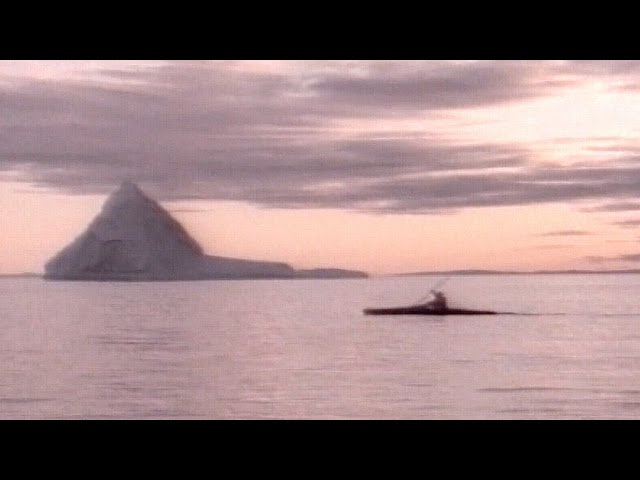
Nunavut becomes a territory in Canada, representing the homeland of the Inuit people
Canada
Political
Social
3 min read
Updated By: History Editorial Network (HEN)
Published:
The establishment of Nunavut marked a significant milestone for the Inuit people of Canada. After years of negotiation and advocacy, the territory was officially recognized, granting the Inuit greater control over their homeland and resources. This move aimed to preserve and promote Inuit culture, language, and way of life.
Nunavut's creation involved the largest indigenous land claim settlement in Canadian history, covering over 2 million square kilometers of the Arctic region. The territory's government was designed to represent the Inuit, with an emphasis on traditional knowledge and community values.
The impact of Nunavut's formation was profound, not only for the Inuit but also for Canada as a whole. It paved the way for greater autonomy and self-governance for indigenous peoples across the country. Nunavut serves as a model for reconciliation and partnership between the government and First Nations.
The event underscored the importance of recognizing and honoring indigenous rights and sovereignty. It highlighted the need to address historical injustices and work towards a more inclusive and equitable society.
#Nunavut #Inuit #SelfGovernance #IndigenousRights #Canada

Explore the Life Moments of
 AI Twin