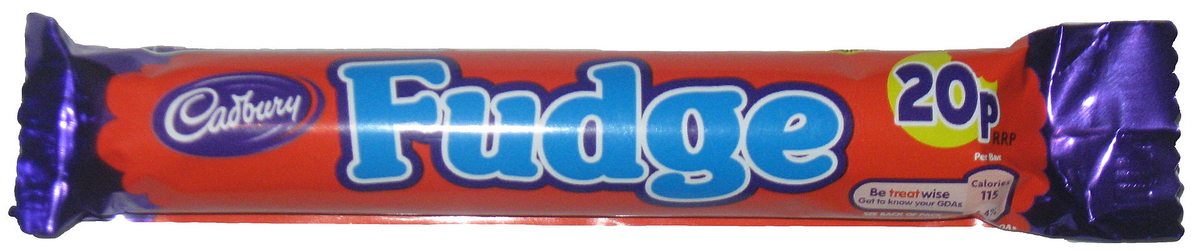
History and Popularity of Fudge Chocolate Bar
United Kingdom
Food
Confectionery
4 min read
Updated By: History Editorial Network (HEN)
Published:
Updated:
The history of the Fudge chocolate bar is closely linked to the evolution of chocolate production in Britain. In the early 19th century, chocolate was primarily consumed as a drink, often reserved for the wealthy due to its high production costs. The Cadbury company, founded by John Cadbury and his brother Benjamin, played a pivotal role in the transition from drinking chocolate to solid chocolate bars. In the mid-1800s, Cadbury began selling chocolate for eating, which marked a significant shift in consumer preferences. This period also saw the emergence of competitors like Fry's of Bristol, who produced the first chocolate bar, further popularizing chocolate as a snack food. The introduction of Fudge by Cadbury marked a new chapter in this chocolate revolution, as it catered to the growing demand for convenient and enjoyable chocolate treats.
Fudge quickly gained popularity among consumers, becoming a staple in the chocolate market. Its unique texture and sweet flavor appealed to a wide audience, contributing to its success. The bar's introduction coincided with a broader trend of chocolate becoming more accessible to the general public, moving away from its elite status. Over the years, Fudge has maintained its popularity, often being associated with nostalgia and childhood memories for many. The chocolate bar has undergone various marketing campaigns and product variations, but its core appeal remains intact. Today, Fudge is recognized not only as a beloved confectionery item but also as a significant part of the chocolate industry's history, reflecting the changing tastes and preferences of consumers over time.
#mooflife
#MomentOfLife
#FudgeChocolateBar
#CadburyHistory
#ChocolateProduction
#PopularConfectionery
#ChocolateBarEvolution
Primary Reference
Fudge (chocolate bar)

Explore the Life Moments of
 AI Twin