Second-Generation Blade Battery Unveiled
China
tech
6 min read
Updated By: History Editorial Network (HEN)
Published:
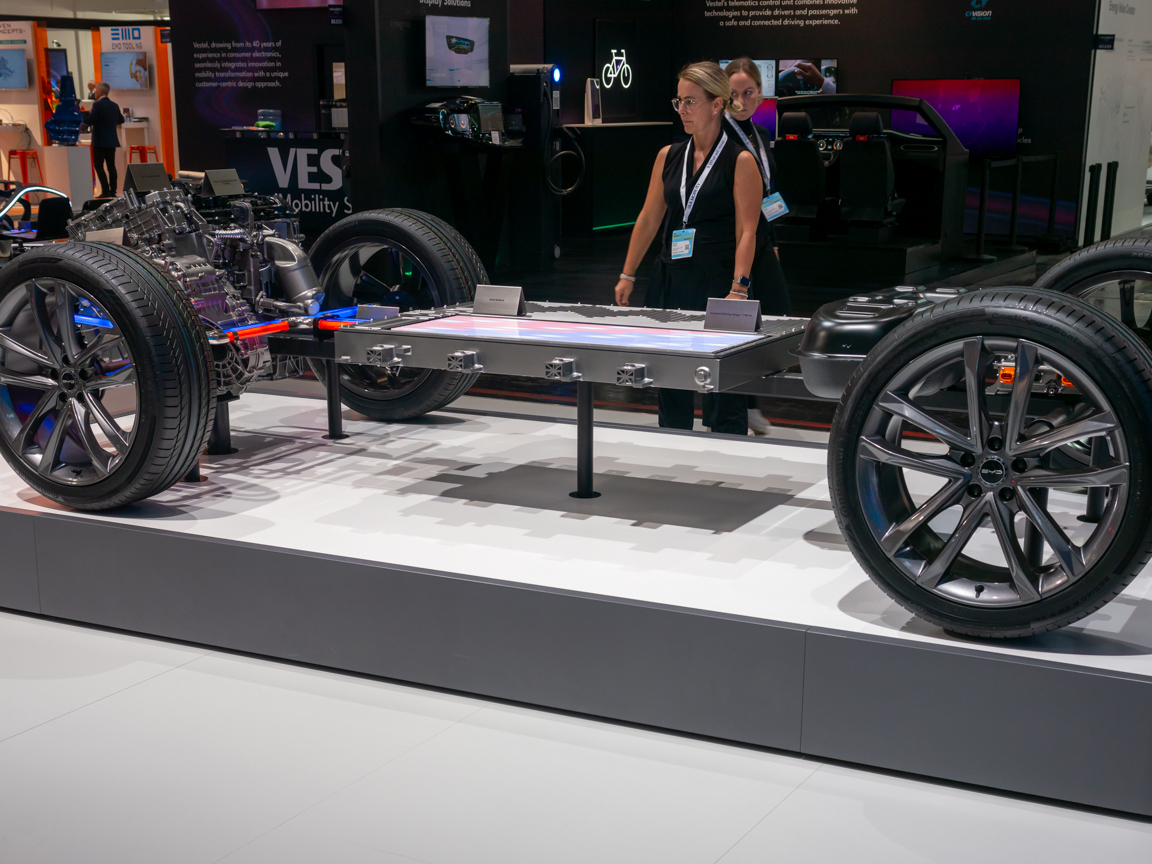
BYD unveiled its second generation Blade Battery in 2025 as part of a broader technology presentation focused on improving electric vehicle charging speed, driving range, energy density, and battery integration. The announcement continued the development of a battery platform that was first introduced in 2020 and later adopted across multiple BYD vehicle models.
The original Blade Battery gained attention because of its lithium iron phosphate chemistry, commonly known as LFP. Unlike many conventional battery pack designs, the Blade Battery uses long, narrow battery cells that can be arranged directly within the battery pack to improve space utilization. BYD also promoted the battery's safety characteristics through a series of demonstrations that included nail penetration testing, which the company used to compare thermal stability with other battery technologies.
According to information released by BYD in 2025, the second generation Blade Battery was designed to increase energy density while preserving the safety characteristics associated with the original design. The company linked the new battery architecture with its latest charging technologies, including a high power charging platform capable of supporting significantly shorter charging times under suitable conditions.
The battery announcement was made alongside the introduction of BYD's Super e Platform and Megawatt Flash Charging technology. BYD stated that compatible vehicles could achieve charging power of up to 1,000 kilowatts under appropriate infrastructure conditions. The company said this charging system could add approximately 400 kilometers of driving range in about five minutes under laboratory testing conditions.
The second generation Blade Battery also formed part of BYD's broader strategy to expand electric vehicle adoption in domestic and international markets. Battery technology remains one of the most important factors affecting electric vehicle performance because it directly influences cost, safety, charging time, vehicle weight, and driving range. Improvements in these areas can affect manufacturing efficiency and consumer adoption across multiple vehicle categories.
Editorial Note: The development of the second generation Blade Battery reflects the continuing competition among global manufacturers to improve battery technology through measurable advances in charging speed, efficiency, and integration rather than relying exclusively on larger battery packs.
#BYD #BladeBattery #ElectricVehicles #BatteryTechnology #EnergyStorage #EVInnovation

Explore the Life Moments of
 AI Twin