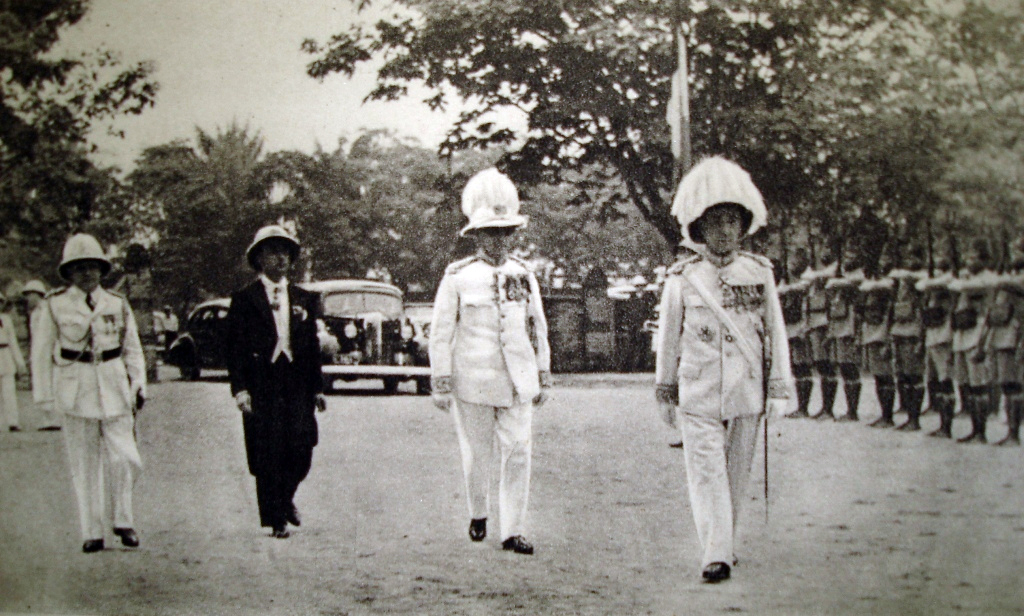
Introduction of Forced Labor in Belgian Colonized Burundi
Burundi
Social-Injustice
3 min read
Updated By: History Editorial Network (HEN)
Published:
In the early 1920s, the Belgian colonial administration imposed a system of forced labor in Burundi, aiming to exploit the local population for economic gain and infrastructure development. The introduction of forced labor significantly impacted the social fabric of Burundian society, causing widespread suffering, exploitation, and resistance among the local population.
Under this oppressive system, the Burundian people were compelled to work on plantations, construction projects, and mining activities without adequate compensation or basic rights. Many were subjected to harsh working conditions, physical abuse, and inhumane treatment at the hands of Belgian authorities.
The forced labor policy led to widespread poverty, malnutrition, and a deterioration of living standards among the Burundian population. Additionally, it fueled social unrest, resistance movements, and a deep-seated resentment towards the colonial administration.
This dark chapter in Burundi's history highlights the enduring legacy of colonialism and oppression, underscoring the long-lasting impact of exploitative practices on the socio-economic development of the country. The scars of forced labor continue to be felt in Burundi today, shaping its political landscape and socio-cultural dynamics.
#ColonialExploitation #ForcedLabor #BurundiHistory
Primary Reference
Historical Perspective: Some Explanatory Factors

Explore the Life Moments of
 AI Twin