Boeing's Production of B-17 During War
United States
Aviation
World War 2
4 min read
Updated By: History Editorial Network (HEN)
Published:
Updated:
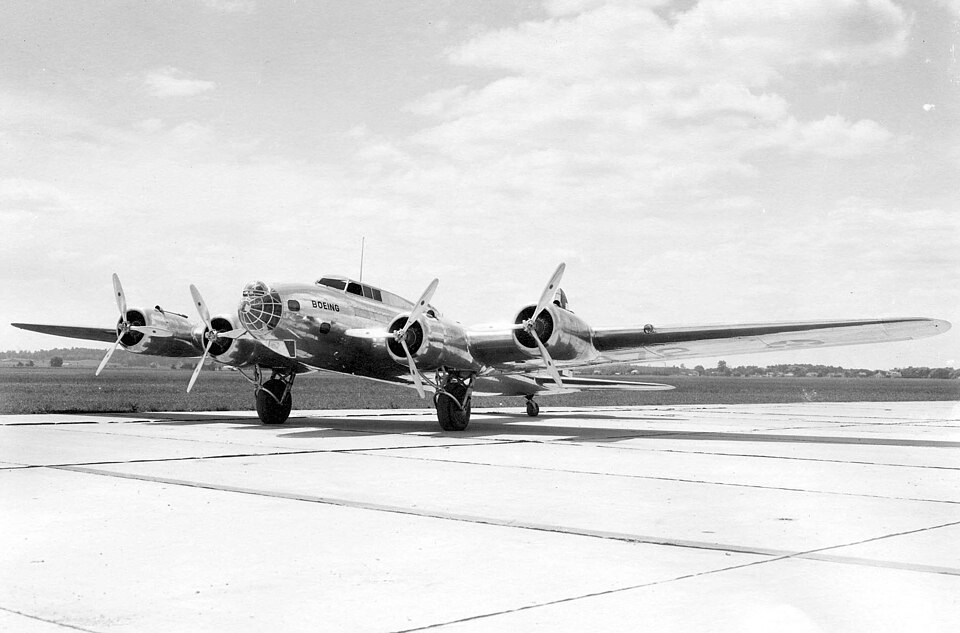
During World War II, Boeing played a crucial role in the production of military aircraft, particularly the B-17 and B-29 bombers. The B-17, known for its durability and effectiveness in combat, became a symbol of American air power. As the war progressed, Boeing's production capabilities expanded significantly, reaching a peak output of over 350 B-17 bombers each month by March 1944. This surge in production was essential for supporting the Allied forces in various theaters of war. The manufacturing process involved collaboration with other major aircraft companies, including Vega and Douglas Aircraft Company, which helped assemble the B-17, while the B-29 was produced in partnership with Bell Aircraft Company and Glenn L. Martin Company.
To protect these vital manufacturing plants from potential enemy air attacks, Boeing implemented various camouflage techniques, including covering the facilities with greenery and farmland items. This strategy aimed to obscure the plants from aerial reconnaissance and bombing raids. The workforce at these plants included a significant number of women, who stepped in to fill roles left vacant by men who had gone to fight in the war. This shift not only contributed to the war effort but also marked a significant change in the workforce dynamics of the time, as women took on roles traditionally held by men. The production of the B-17 and other bombers by Boeing not only bolstered the military capabilities of the United States but also had lasting impacts on the aviation industry and the role of women in the workforce.
#mooflife
#MomentOfLife
#Boeing
#B-17
#WorldWarIi
#AviationHistory
#WomenInWorkforce
Primary Reference
Boeing B-17 Flying Fortress

Explore the Life Moments of
 AI Twin