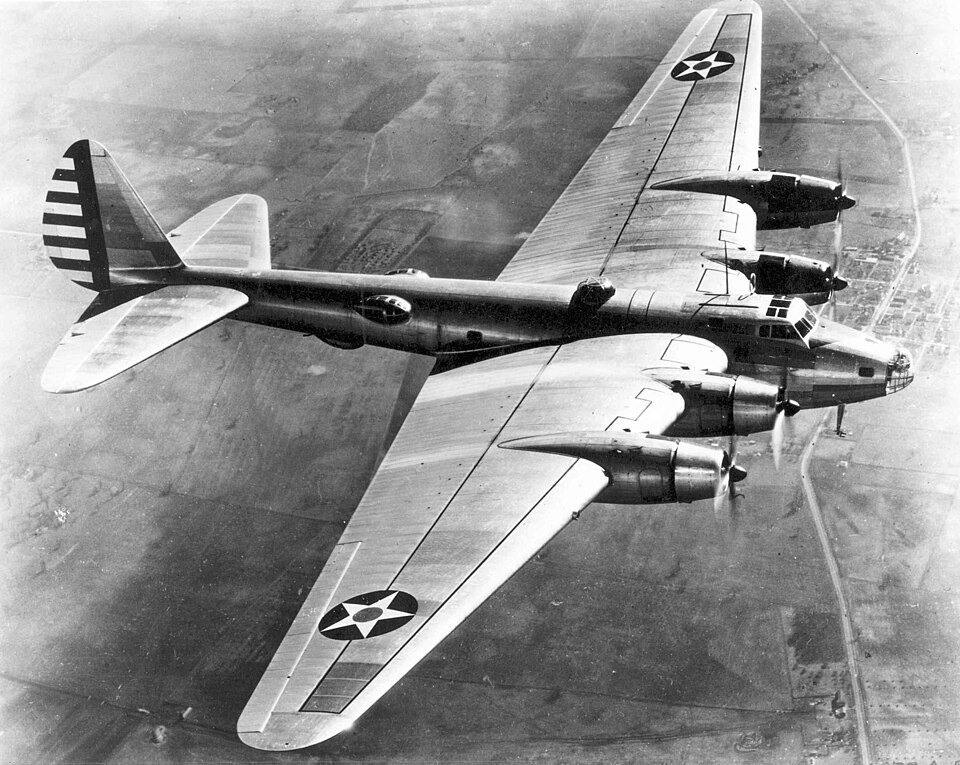
Boeing's Development of XB-15 Bomber
United States
Aerospace
Military Aviation
3 min read
Updated By: History Editorial Network (HEN)
Published:
Updated:
Boeing's development of the XB-15 bomber spanned from 1934 to 1937, marking a significant phase in the evolution of long-range military aircraft. The XB-15 was notable for being the largest heavier-than-air craft constructed at the time of its introduction. This experimental bomber was designed to enhance the United States' aerial capabilities, particularly in long-range bombing missions. However, during trials, the XB-15's speed was found to be unsatisfactory, which limited its operational effectiveness. Despite these shortcomings, the design and engineering insights gained from the XB-15 project were instrumental in advancing Boeing's subsequent aircraft designs. The experience contributed to the development of the Model 299 prototype, which later evolved into the YB-17 bomber, a more successful design that would play a crucial role in World War II. Additionally, the design principles from the XB-15 influenced the Model 314 flying boat, which took to the skies shortly after the XB-15's introduction. This progression illustrates how initial setbacks in aircraft development can lead to significant advancements in aviation technology and military strategy.
#mooflife
#MomentOfLife
#Boeing
#Xb-15
#BomberDevelopment
#AviationHistory
#MilitaryAircraft
Primary Reference
Boeing XB-15

Explore the Life Moments of
 AI Twin