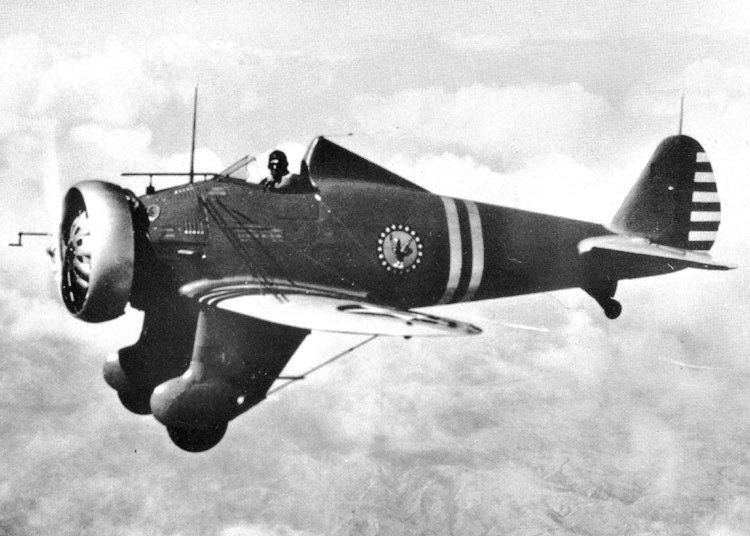
Boeing introduced the Model 248
United States
Aviation History
Military Aircraft
Boeing Models
3 min read
Updated By: History Editorial Network (HEN)
Published:
Updated:
Boeing introduced the Model 248 as the first all-metal monoplane fighter, marking a significant advancement in aircraft design. This model represented a shift from traditional biplane designs to a more modern monoplane configuration, which offered improved aerodynamics and performance. The introduction of the Model 248 came at a time when military aviation was evolving rapidly, necessitating new designs that could meet the demands of modern warfare. The Model 248 was part of a broader trend in the aviation industry towards all-metal construction, which provided greater durability and reduced maintenance compared to earlier wooden and fabric aircraft.
The Model 248 laid the groundwork for future developments in fighter aircraft, influencing subsequent designs and operational strategies. Its introduction prompted military planners to reconsider air defense requirements, as the capabilities of monoplane fighters began to outpace those of existing biplane models. Although the Model 248 itself was soon overshadowed by more advanced designs, it played a crucial role in the transition to modern fighter aircraft. The P-26 Peashooter, which entered service shortly after the Model 248, exemplified the shift in military aviation and served in front-line roles with the US Army Air Corps for several years, further solidifying the importance of all-metal monoplane fighters in military operations.
#mooflife
#MomentOfLife
#Boeing
#Model248
#MonoplaneFighter
#AviationHistory
#MilitaryAircraft
Primary Reference
Boeing P-26 Peashooter

Explore the Life Moments of
 AI Twin