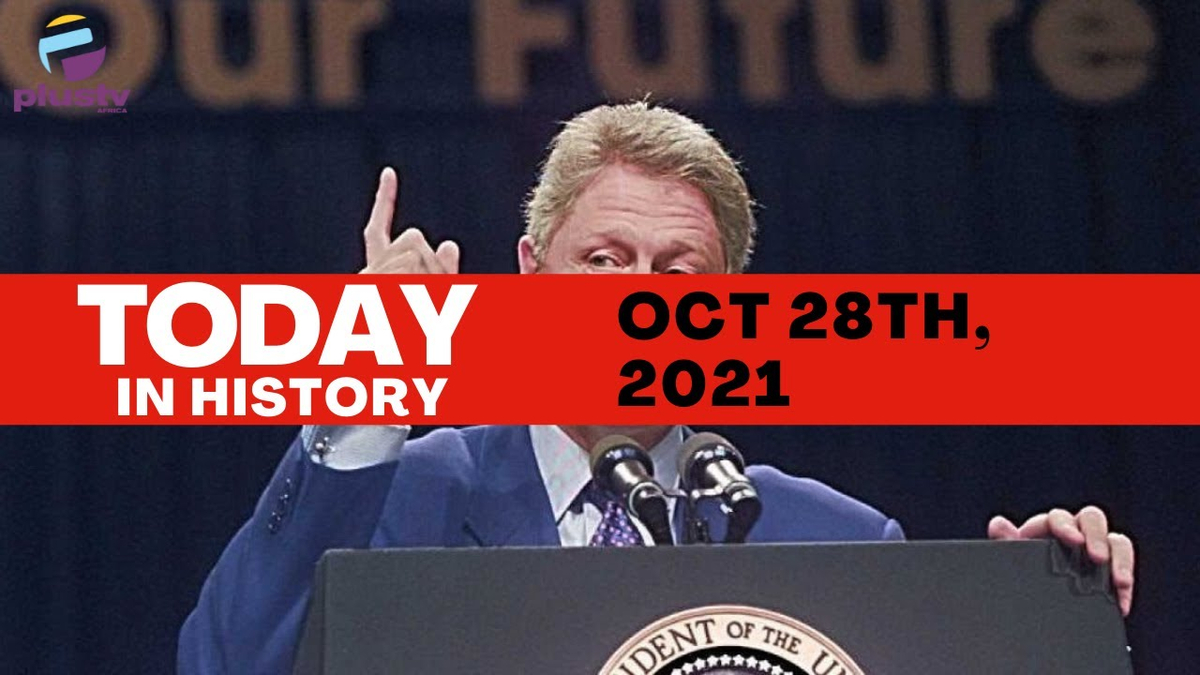
Impact of Digital Millennium Copyright Act on copyright laws for digital works.
United States of America
Technology
Legal
6 min read
Updated By: History Editorial Network (HEN)
Published:
In a critical juncture of law and technology, Bill Clinton enacted the Digital Millennium Copyright Act (DMCA), which addressed emerging challenges in the digital landscape. The backdrop to this came as the internet increasingly facilitated the dissemination of digital works, thereby necessitating updated copyright protections. Traditional copyright laws were struggling to keep pace with rapid technological advancements, posing significant risks to the protection of intellectual property.
The DMCA featured two key provisions. Title I, the WIPO Copyright and Performances and Phonograms Treaties Implementation Act, brought the U.S. into compliance with international copyright treaties. It prohibited the circumvention of digital rights management (DRM) systems, aiming to ward off unauthorized access to copyrighted works. Title II, the Online Copyright Infringement Liability Limitation Act, provided a safe harbor for online service providers, shielding them from liability for infringing activities by users, provided they follow certain procedures.
The DMCA's impact was multifaceted. For copyright holders, it offered enhanced security and legal recourse in an increasingly digital world. It established clearer intellectual property boundaries, providing creators and companies with mechanisms to protect their digital works. For online service providers, the safe harbor provisions were crucial, balanced by stringent takedown procedures to mitigate infringement.
Criticism emerged over the extent of the prohibitions and the potential stifling effect on innovation and fair use. Scholars and advocates expressed concerns about how DRM restrictions could interfere with legitimate uses, such as research and education. Nonetheless, the DMCA served as a significant contribution to U.S. digital copyright law, setting precedents that influenced subsequent legislation.
Statistically, the DMCA's influence is evident in the number of claims processed. For example, the volume of DMCA takedown notices has steadily increased, reflecting growing awareness and utilization of the act's provisions. Online platforms have developed extensive compliance frameworks to handle these requests, balancing user interests with copyright protections.
The enactment of the DMCA represented a pivotal adjustment to copyright law, integrating necessary adaptations for the digital age and striving to strike a balance between protection and accessibility.
#DigitalCopyrightLaw #IntellectualProperty #BillClinton #DMCA #DigitalAge #OnlineInfringement #MoofLife

Explore the Life Moments of
 AI Twin