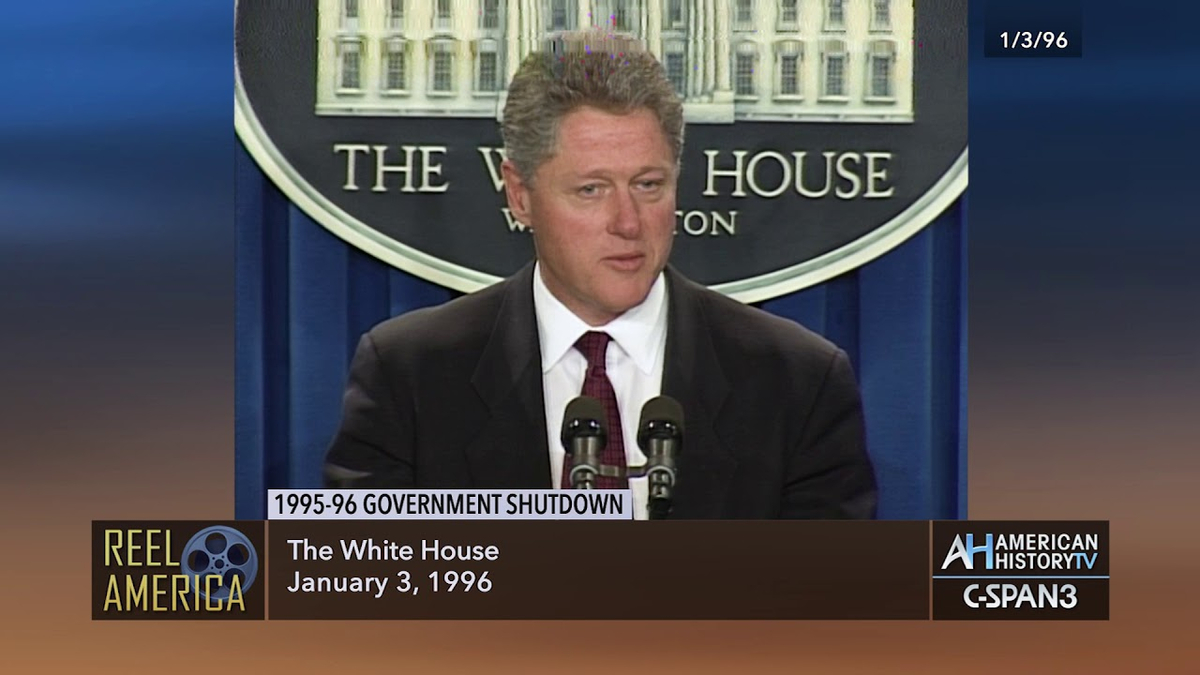
Government Shutdown After Failed Budget Talks with Republican Congress.
United States of America
Political
EconomicImpact
4 min read
Updated By: History Editorial Network (HEN)
Published:
Bill Clinton, then serving as President, faced a pivotal moment when budget negotiations with the Republican-controlled Congress reached an impasse. This gridlock resulted in the second federal government shutdown within a short span. The political standoff arose from disagreements over budgetary allocations, with Republicans pushing for significant cuts in federal spending, particularly targeting social programs and Medicare. Clinton, aligning with the Democratic platform, sought to protect these programs while proposing moderate spending cuts and tax increases on the wealthiest Americans to reduce the deficit.
The impact of the shutdown was widespread. Approximately 800,000 federal employees were furloughed, leading to delays in government services and public frustration. National parks, museums, and monuments closed, and visa and passport processing stalled, affecting travel and tourism. The political fallout was significant, with public opinion largely turning against Congress, who were viewed as uncompromising and more responsible for the shutdown compared to the Executive.
Economic effects included interrupted federal contracts and delayed government payments, affecting businesses and individuals reliant on federal funding. Despite the shutdown, the economy demonstrated resilience, but confidence in governmental stability wavered.
Clinton's handling of the crisis, emphasizing a balanced approach and the need to preserve essential services, helped bolster his public image. The shutdown highlighted the deep partisan divisions in government, laying bare the complexities and challenges of bipartisan governance in U.S. politics.
#BudgetCrisis
#GovernmentShutdown
#BillClinton
#FederalEmployees
#PoliticalGridlock
#PublicServices
#EconomicImpact
#MoofLife
Primary Reference
William J. Clinton Event Timeline | The American Presidency Project

Explore the Life Moments of
 AI Twin