Establishing Permanent Normal Trade Relations with China.
United States of America

Global Trade
Economic Policy
5 min read
Updated By: History Editorial Network (HEN)
Published:
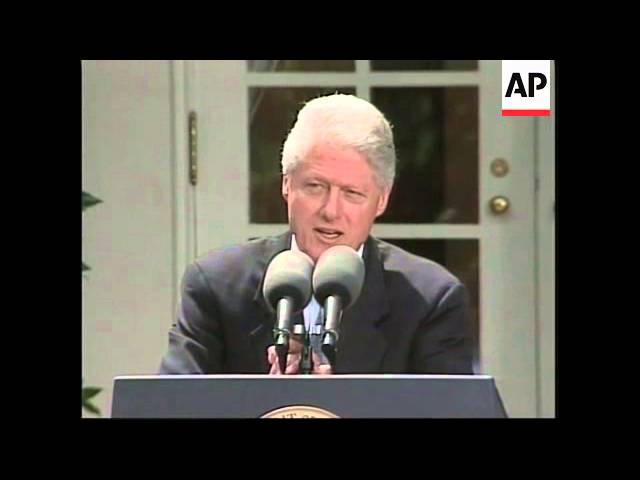
President Bill Clinton signed into law a bill that established permanent normal trade relations (PNTR) with China, a move that carried significant geopolitical and economic ramifications. This landmark legislation aimed to facilitate China's entry into the World Trade Organization (WTO), thereby integrating China more fully into the global trading system. The signing followed years of contentious debate in the U.S. Congress, reflecting deep concerns about various issues including labor rights, environmental standards, and human rights in China.
Statistics from that period highlighted the exponential growth of trade between the two nations. In the previous decade, U.S.-China trade had surged from about $20 billion to over $100 billion, with deficits ballooning over the same period. Proponents of PNTR argued that this new trade status would open up vast Chinese markets to American businesses, potentially boosting exports and creating jobs in the United States. They also believed that increased economic engagement might encourage China to adopt more open and democratic practices over time.
Critics, however, warned that the benefits might be one-sided. They feared the continued growth of the trade deficit and the potential loss of American manufacturing jobs to lower-wage Chinese labor markets. Questions were also raised about whether China would adhere to international norms and trade agreements, given its track record.
As a direct consequence of this law, American companies found opportunities to invest and expand their operations in China, thereby strengthening economic ties between the two countries. Sectors such as technology, agriculture, and manufacturing experienced particular growth in bilateral exchange.
The signing of this bill marked a pivotal moment in U.S.-China relations, laying the groundwork for an era defined by significant increases in trade and economic interdependence. This period also saw the complexities of these ties manifest in various forms, from economic cooperation to strategic competition.
#USChinaRelations #GlobalTrade #EconomicPolicy #ClintonAdministration #MoofLife

Explore the Life Moments of
 AI Twin