Criticism Of Congressional Republicans for Removing Hate Crime Legislation
United States of America
Political
Civil Rights
6 min read
Updated By: History Editorial Network (HEN)
Published:
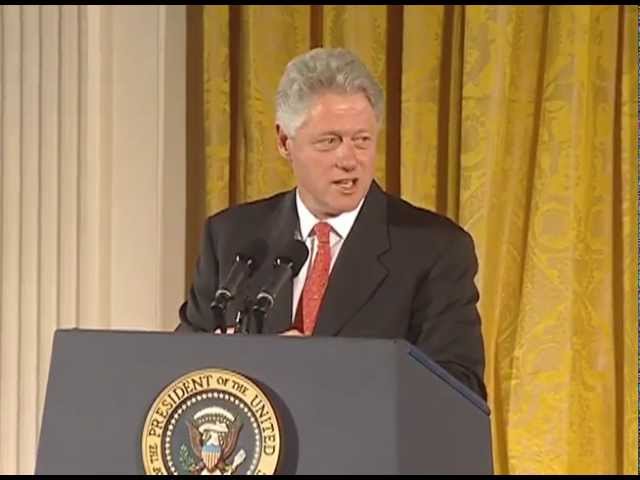
During a critical juncture in political proceedings, President Bill Clinton strongly criticized Congressional Republicans for excising hate crime legislation from the Department of Defense Authorization bill. This event took place when discussions on the bill were at a peak, and the excised provisions were aimed at addressing and reducing hate-motivated violence across the nation.
The hate crime legislation initially introduced included measures to enhance penalties for crimes motivated by bias against race, religion, national origin, gender, sexual orientation, gender identity, or disability. The provisions were intended to fortify federal capabilities to prosecute such crimes, filling gaps left by state-level laws. The strategy was to integrate the legislative provisions with the defense bill, leveraging the urgency and bipartisan support often associated with defense funding to pass crucial social measures.
However, Congressional Republicans opted to strip these provisions from the bill. Their rationale revolved around the belief that defense legislation should focus solely on national security without being encumbered by additional social policy measures. This decision drew significant backlash from civil rights organizations, advocacy groups, and the White House.
President Clinton’s rebuke was particularly forceful, highlighting the missed opportunity to provide better protection and justice for victims of hate crimes. Statistics at the time indicated a concerning rise in hate crimes, revealing a necessity for robust policy responses. For instance, the FBI had reported an increase in hate crime incidents, marking an upward trend over several years. Clinton emphasized that the removal of the legislation was a step backward in the fight against prejudice and bigotry.
The impact of this legislative exclusion was profound. It not only delayed potentially lifesaving legal protections but also highlighted the deep partisan divides over the approach to civil rights and social justice issues. The clash underscored the challenges of integrating comprehensive social policies within broader legislative agendas.
The moment remains a stark reminder of the complexities and contentious nature of policy-making in areas directly affecting marginalized communities. It serves as a historical point of reflection on the ongoing efforts to achieve legislative progress in combating hate crimes.
#RebuffedLegislation #CivilRights #PolicyImpact #BillClinton #CrimeLegislation #MoofLife
Primary Reference
William J. Clinton Event Timeline | The American Presidency Project

Explore the Life Moments of
 AI Twin