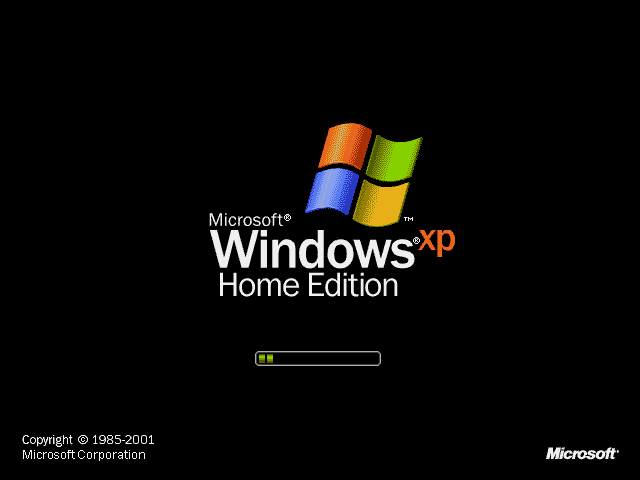
Success of Microsoft's Windows XP operating system
United States of America
Technology
Business
5 min read
Updated By: History Editorial Network (HEN)
Published:
Microsoft introduced Windows XP to the market, marking a pivotal shift in personal computing. This new operating system was a unification of Microsoft's previously separate consumer and business operating systems, encapsulating the best features of Windows 95, 98, and NT/2000. Overseen by Bill Gates, Windows XP aimed to provide a more stable, user-friendly, and visually appealing experience.
The release of Windows XP was met with considerable enthusiasm, primarily due to its enhanced performance, better stability, and improved security features compared to its predecessors. It utilized a streamlined graphical user interface with an emphasis on usability, introducing features like the Start Menu and taskbar enhancements, which allowed users to navigate more intuitively.
Moreover, Windows XP was designed to cater to both novice and advanced users. For home users, it came in the Home Edition, while professionals and businesses could opt for the Professional Edition replete with additional functionalities such as remote desktop support and advanced networking capabilities. This strategic bifurcation facilitated a wider adoption across different user segments.
The impact of this release was substantial. Within its first two months, Windows XP sold more than 17 million licenses, and within the next few years, it dominated the global operating system market with an estimated market share climbing to 71 percent. Corporate IT environments and home users alike favored Windows XP for its reliability and ease of use.
Security-wise, Windows XP made strides with its built-in firewall and frequent updates, although it later faced criticism for vulnerabilities exploited by malicious software. Nevertheless, subsequent Service Packs and security patches addressed many of these issues, improving the system's resilience.
Windows XP's influence extended beyond mere numbers and market share; it set new standards for future operating system developments. The design philosophies and user interface elements introduced in XP would become foundational in shaping subsequent versions of Windows.
In summary, the release of Windows XP by Microsoft under the leadership of Bill Gates was a crucial event in the history of personal computing. The product's stability, performance, and user-centric design solidified its legacy as one of Microsoft's most successful operating systems.
#Microsoft #WindowsXP #BillGates #OperatingSystem #TechInnovation #MoofLife
Primary Reference
Facts About Microsoft - Stories

Explore the Life Moments of
 AI Twin