Dropped out of Harvard to focus on Microsoft
United States of America
Business
Technology
4 min read
Updated By: History Editorial Network (HEN)
Published:
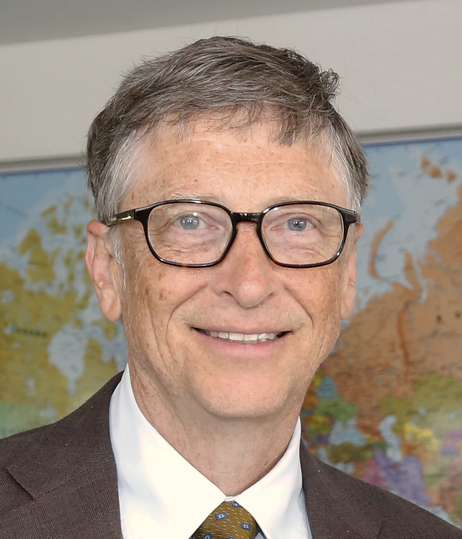
In 1979, Bill Gates made a pivotal decision to drop out of Harvard University to focus on his startup company, Microsoft. He had co-founded Microsoft with Paul Allen a few years earlier, in 1975. Gates was driven by his vision to put a computer on every desk and in every home, and he believed that focusing on Microsoft full-time was the best way to achieve this goal.
Gates' decision to leave Harvard and dedicate himself to Microsoft had a significant impact on the technology industry. It allowed him to fully immerse himself in the development of the company's software products, leading to the creation of the MS-DOS operating system in 1980, which became a key player in the booming personal computer market of the 1980s.
By concentrating on Microsoft, Gates was able to steer the company through various challenges and competitions, eventually establishing it as a dominant force in the tech world. Microsoft's success under Gates' leadership laid the foundation for the company's expansion into new markets and technologies, solidifying its position as a global leader in software development.
Gates' decision to drop out of Harvard also served as a testament to the importance of taking risks and following one's passion. It showcased how dedication, hard work, and strategic vision could lead to groundbreaking innovations and transformative success. Gates' story became an inspiration for aspiring entrepreneurs and tech enthusiasts, demonstrating the power of perseverance and innovation in achieving ambitious goals.
Overall, Bill Gates' choice to leave Harvard and focus on Microsoft in 1979 was a defining moment that shaped the future of the technology industry and solidified his legacy as a pioneering figure in the world of software development and innovation.
#BillGates #Microsoft #Entrepreneurship #TechIndustry
Primary Reference
Bill Gates - Microsoft, Wife & Children
Explore the Life Moments of
 AI Twin