Tibetan and Mongol invasion of Bhutan fails
Global Trade
Political
3 min read
Updated By: History Editorial Network (HEN)
Published:
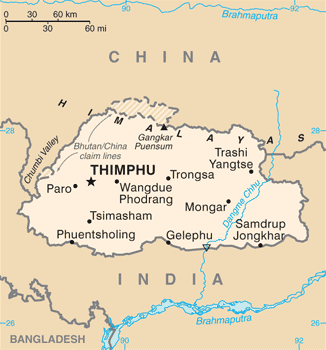
In 1714, Tibetan forces, with support from the Mongols, launched an invasion of Bhutan. The invasion was fueled by territorial ambitions and power struggles in the region. Despite their combined strength, the Tibetan-Mongol forces faced fierce resistance from the Bhutanese defenders.
The mountainous terrain and the determination of the Bhutanese army proved to be significant obstacles for the invaders. The Bhutanese utilized their knowledge of the land to their advantage, launching guerrilla-style attacks and effectively thwarting the advance of the Tibetan-Mongol forces.
As the conflict dragged on, the invaders faced logistical challenges and struggled to maintain their momentum. Eventually, their inability to secure a decisive victory led to dwindling morale among their ranks. Recognizing the futility of their efforts, the Tibetan-Mongol forces were forced to retreat, marking a failed attempt to gain control over Bhutan.
The invasion left a lasting impact on the region, solidifying Bhutanese independence and autonomy. It also highlighted the strategic importance of Bhutan's geographical position and the resilience of its people in the face of external threats.
#TibetanForces #MongolSupport #BhutanInvasion #Resilience #RegionalHistory

Explore the Life Moments of
 AI Twin