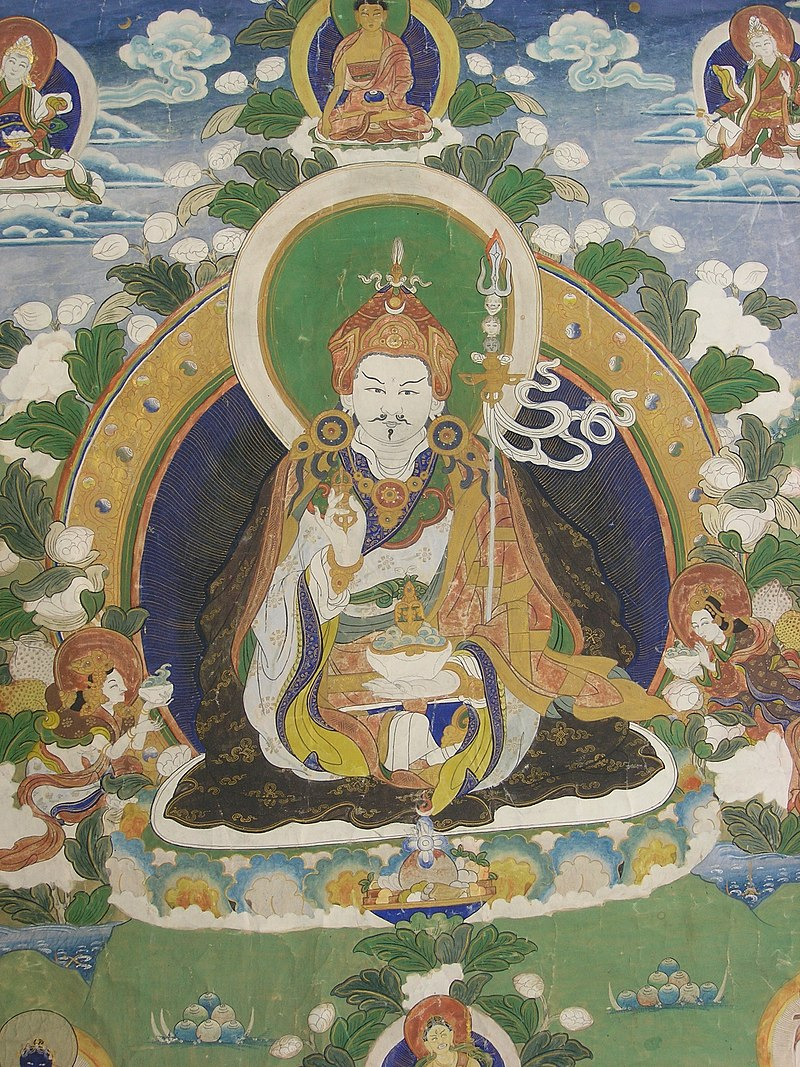
Padmasambhava's return sparks development of independent monarchies
Culture
3 min read
Updated By: History Editorial Network (HEN)
Published:
Updated:
In the year 809, the arrival of Padmasambhava in Bhutan marked a significant turning point in the region's history. His return brought about a spiritual renewal and a revival of Buddhism, shaping the cultural and religious landscape of Bhutan. Padmasambhava's teachings not only influenced the way of life but also played a crucial role in establishing monasteries and institutions that promoted learning and enlightenment.
Simultaneously, during this period, several independent monarchies emerged in Bhutan, each vying for power and influence. This decentralization of authority led to a period of rapid development, as the monarchs competed for resources and territorial control. These independent monarchies laid the foundation for the diverse political landscape that would characterize Bhutan in the centuries to come.
Overall, the arrival of Padmasambhava and the rise of independent monarchies in Bhutan in 809 had a lasting impact on the country's culture, religion, and governance. These developments paved the way for the unique blend of spiritual traditions and political structures that define Bhutanese society to this day.
#Padmasambhava #Bhutan #Monarchies #CulturalRevival #SpiritualRenewal

Explore the Life Moments of
 AI Twin