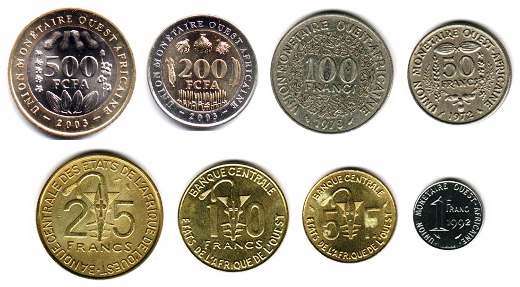
Introduction of the West African CFA Franc and Its Impact on Benin's Economic Growth
Benin
Economic
Global Trade
3 min read
Updated By: History Editorial Network (HEN)
Published:
Following Benin's history of trade with European merchants dating back to the 17th century, the West African CFA franc was introduced in 1945 as the official currency. This move played a significant role in the economic stability and growth of Benin post-World War II.
The West African CFA franc, tied to the French franc, maintained a fixed exchange rate, promoting financial security and facilitating trade with other West African countries in the franc zone. The adoption of this currency provided Benin with a stable monetary system, boosting its commercial activities and attracting foreign investments.
With the introduction of the West African CFA franc, Benin experienced increased financial integration within the region, enhancing economic cooperation and trade relations. The currency's strong ties with the French economy also offered a sense of reliability and trust in the monetary policies implemented by the French Treasury.
The West African CFA franc's introduction in Benin marked a crucial step towards economic development and international partnerships, shaping the country's financial landscape for decades to come. #Benin #WestAfricanCFAdollar #EconomicStability.
Primary Reference
CFA Franc | History and information | BCEAO.

Explore the Life Moments of
 AI Twin