More local stations drop MW
United Kingdom
Radio Broadcasting
Media Industry
Entertainment
3 min read
Updated By: History Editorial Network (HEN)
Published:
Updated:
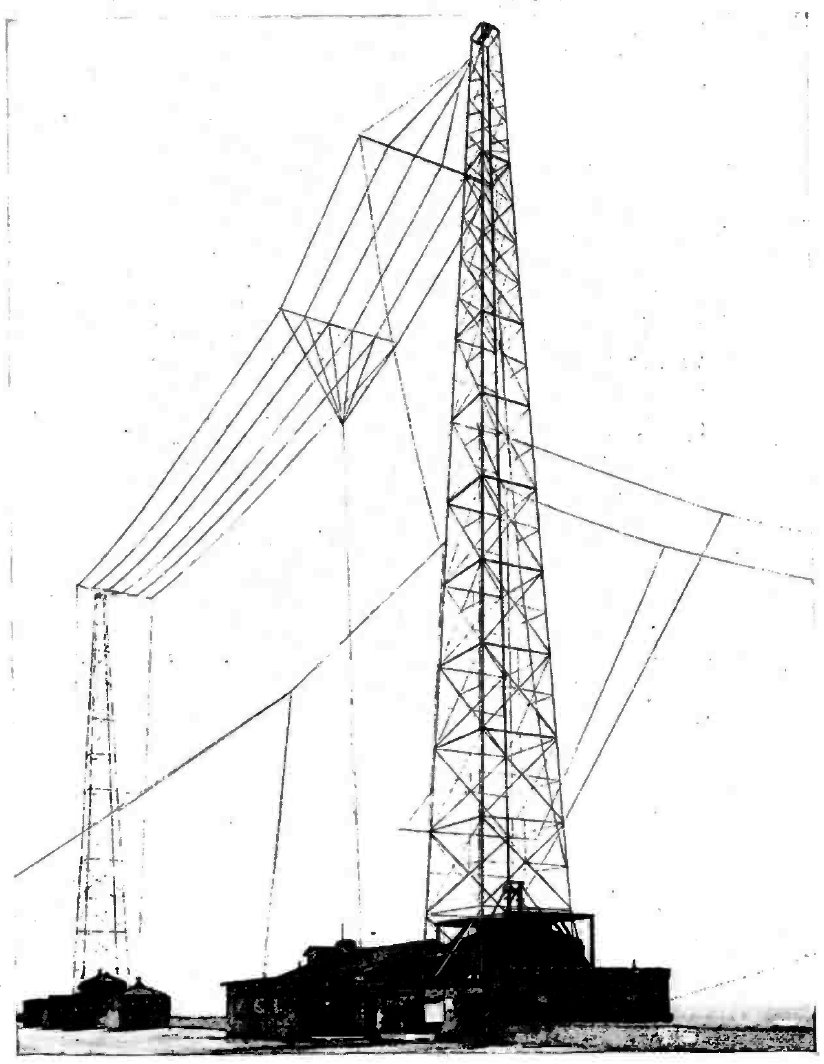
The transition away from medium wave (MW) broadcasting has been a notable trend among local radio stations, particularly as digital platforms gain prominence. The decision to drop MW is influenced by several factors, including the increasing availability and reliability of digital audio broadcasting (DAB) and the growing preference for online streaming services. This shift reflects a broader industry movement towards modernizing radio services and enhancing audio quality for listeners. As more stations discontinue MW, they aim to allocate resources towards improving their digital offerings, which can provide a clearer signal and a wider range of content.
The impact of this transition is significant for both listeners and broadcasters. For listeners, the move to DAB and online platforms means access to a wider variety of stations and programming options. However, it also poses challenges for those who rely on traditional MW radios, particularly in rural areas where digital coverage may be less robust. For broadcasters, the shift allows for more efficient use of frequencies and the potential for cost savings in transmission. As the radio landscape continues to evolve, the decline of MW broadcasting marks a pivotal change in how local stations connect with their audiences, emphasizing the importance of adapting to technological advancements in the media industry.
#mooflife
#MomentOfLife
#Radio
#MediumWave
#Dab
#LocalStations
#Broadcasting
Primary Reference
Timeline of the BBC

Explore the Life Moments of
 AI Twin