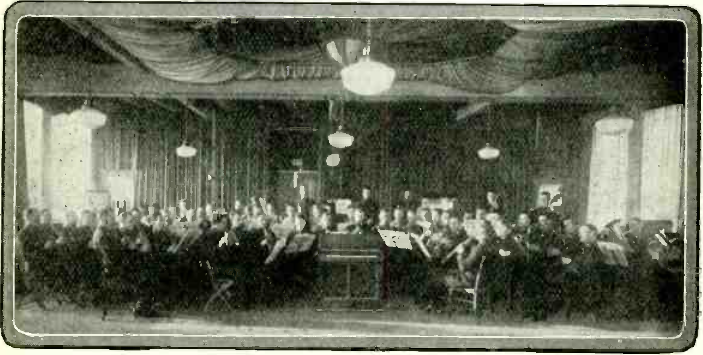
Formation of British Broadcasting Company
United Kingdom
Media
Broadcasting
4 min read
Updated By: History Editorial Network (HEN)
Published:
Updated:
The British Broadcasting Company (BBC) was established as a response to the growing demand for organized broadcasting in the United Kingdom. The formation of the BBC marked a pivotal moment in the evolution of media, as it aimed to provide a public service that would inform, educate, and entertain the populace. The BBC was created by a group of wireless manufacturers who sought to standardize broadcasting and ensure that it was accessible to the public. This initiative was crucial in laying the groundwork for what would become a major institution in British culture and media. The BBC's establishment was characterized by a commitment to high-quality programming and impartiality, which would later become hallmarks of its identity.
The impact of the BBC's formation was profound, as it not only transformed the landscape of broadcasting in the UK but also influenced media practices worldwide. The BBC quickly became a trusted source of news and entertainment, setting standards for broadcasting that would be emulated by other countries. The organization introduced various programming formats, including news bulletins, educational content, and entertainment shows, which catered to a diverse audience. The BBC's role in society expanded over time, becoming a key player in shaping public opinion and cultural discourse. Its establishment also led to the development of regulations and licensing for broadcasting, ensuring that the airwaves were used responsibly and for the public good. Today, the BBC remains a significant entity in global media, continuing to adapt to the changing landscape while maintaining its foundational principles.
#mooflife
#MomentOfLife
#Bbc
#BritishBroadcastingCompany
#MediaHistory
#Broadcasting
#PublicServiceBroadcasting
Primary Reference
Timeline of the BBC

Explore the Life Moments of
 AI Twin