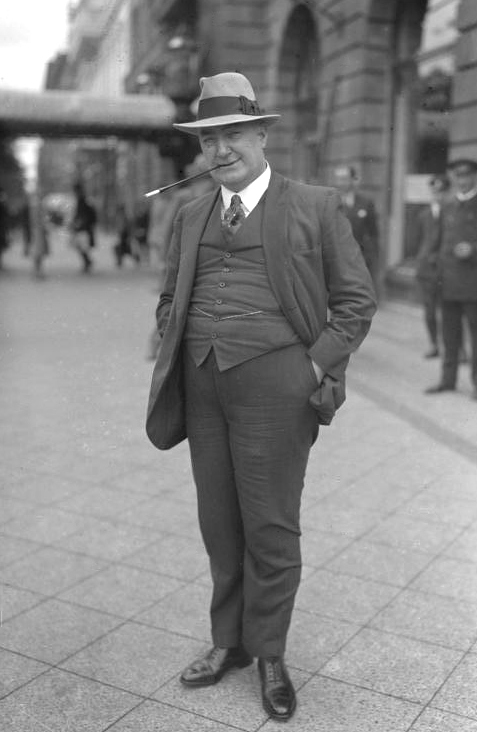
First Broadcast from Glasgow by Edgar Wallace
United Kingdom
Broadcasting
Media
4 min read
Updated By: History Editorial Network (HEN)
Published:
Updated:
The first broadcast from Glasgow marked a pivotal moment in the history of British broadcasting, as it established the BBC's presence in Scotland. This event was part of a broader expansion of radio services across the UK, which included the introduction of various regional stations. The Glasgow broadcast, identified by the call sign 5SC, was significant as it represented the BBC's commitment to providing localized content and engaging with audiences in different parts of the country. Edgar Wallace, a prominent figure in journalism and literature, reported on the event, highlighting the role of radio in sports reporting, particularly with his coverage of The Derby. This development positioned Wallace as the first British radio sports reporter, showcasing the potential of radio as a medium for live sports commentary and analysis.
The impact of the Glasgow broadcast extended beyond mere entertainment; it played a crucial role in shaping public discourse and community engagement in Scotland. By offering a platform for local news, culture, and sports, the BBC fostered a sense of identity and connection among Scottish listeners. The introduction of regional broadcasts allowed for a more diverse range of programming, catering to the unique interests and needs of different audiences. This initiative laid the groundwork for future developments in broadcasting, including the establishment of additional regional stations and the eventual launch of specialized programming, such as Scottish Gaelic broadcasts. Overall, the first broadcast from Glasgow was a foundational step in the evolution of the BBC and its mission to serve the entire UK population through accessible and relevant media.
#mooflife
#MomentOfLife
#Bbc
#Glasgow
#EdgarWallace
#RadioHistory
#SportsReporting
Primary Reference
Timeline of the BBC

Explore the Life Moments of
 AI Twin