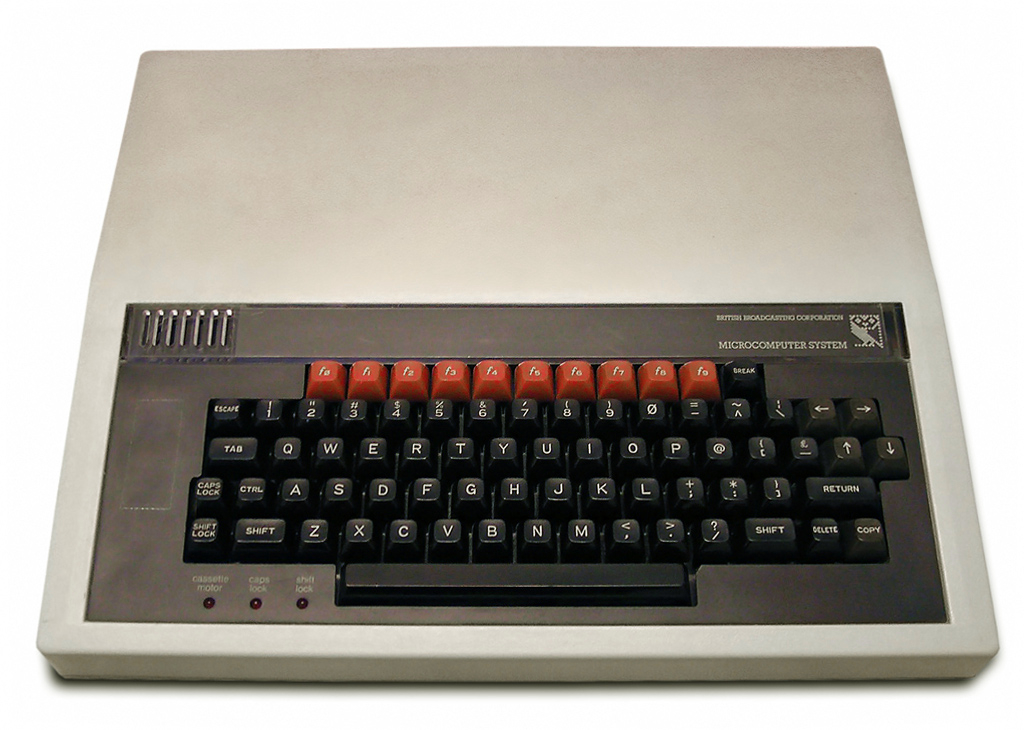
BBC Micro and News Updates
United Kingdom
Technology
Media
4 min read
Updated By: History Editorial Network (HEN)
Published:
Updated:
The BBC Micro was a series of microcomputers developed by Acorn Computers in the early 1980s, commissioned by the British Broadcasting Corporation (BBC) as part of its educational initiative. The primary goal was to promote computer literacy in schools across the United Kingdom. The BBC Micro was designed to be user-friendly and affordable, making it accessible to both educational institutions and individual users. It featured a robust architecture that supported various programming languages, including BASIC, and was equipped with a range of input/output ports, allowing for extensive connectivity with peripherals. The introduction of the BBC Micro significantly influenced the educational landscape, as it became a staple in many classrooms, facilitating the teaching of computing skills to a generation of students.
The impact of the BBC Micro extended beyond education; it played a crucial role in the early home computing revolution in the UK. By providing a platform for software development, it encouraged a vibrant community of programmers and hobbyists. The BBC Micro's influence is evident in the number of software titles developed for it, including educational programs, games, and productivity tools. Statistics indicate that over a million units were sold, making it one of the most popular home computers of its time. The legacy of the BBC Micro continues to be felt today, as it laid the groundwork for future developments in computing and inspired subsequent generations of computer enthusiasts and professionals.
#mooflife
#MomentOfLife
#BbcMicro
#AcornComputers
#ComputerLiteracy
#EducationalTechnology
#HomeComputing
Primary Reference
Timeline of the BBC

Explore the Life Moments of
 AI Twin