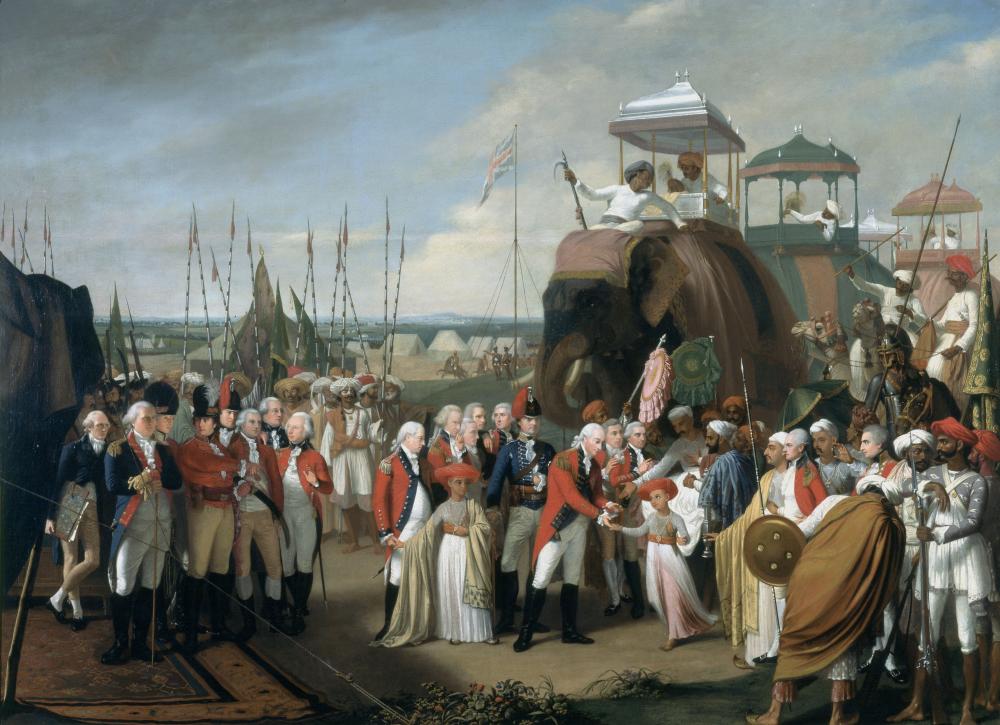
Lord Cornwallis implemented Permanent Settlement system in Bengal to regulate land revenue collection effectively.
Bangladesh
Social Inequality
3 min read
Updated By: History Editorial Network (HEN)
Published:
In the late 18th century, Lord Cornwallis introduced the Permanent Settlement in Bengal, a significant policy affecting land revenue collection in British India. This system fixed the land tax at a set amount in perpetuity, empowering and securing the rights of the wealthy landlords known as Zamindars.
The Permanent Settlement had a profound impact on the socio-economic landscape of Bengal, leading to widespread impoverishment among the peasants who were subjected to harsh exploitation by the Zamindars. This policy entrenched the power of the landlords, creating a class of wealthy elites who controlled vast swathes of land and resources.
Moreover, the Permanent Settlement laid the groundwork for a rigid feudal system that hindered agricultural development and perpetuated social inequality. The British government's favoritism towards the Zamindars also fueled resentment among the local population, culminating in widespread discontent and agrarian unrest.
In conclusion, Lord Cornwallis' introduction of the Permanent Settlement in Bengal marked a pivotal moment in the region's history, setting the stage for decades of economic hardship and social upheaval. #BritishColonialism #LandTenureSystem #SocialInequality #AgrarianUnrest
Primary Reference
Permanent Settlement - Wikipedia

Explore the Life Moments of
 AI Twin