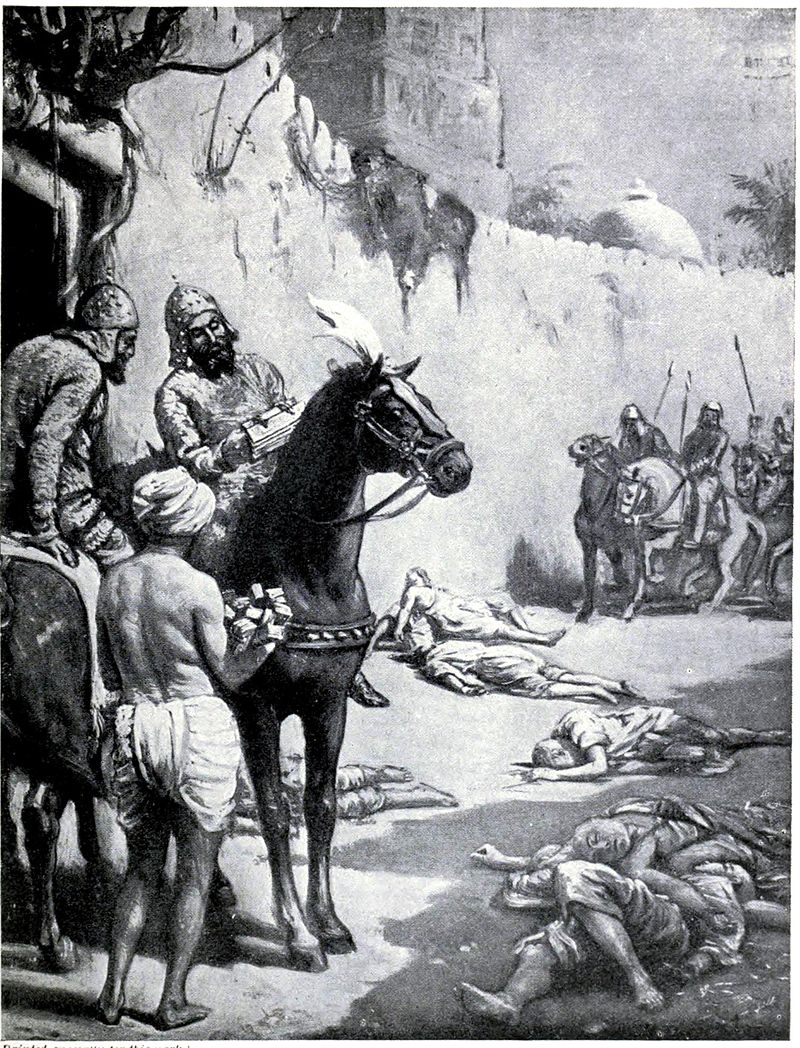
Islam becomes dominant in Bengal with the conquests led by Bakhtiyar Khalji
Bangladesh

Global Trade
Religion
3 min read
Updated By: History Editorial Network (HEN)
Published:
The establishment of Islam as a dominant force in Bengal is closely linked to the conquests of Bakhtiyar Khalji in the late 12th and early 13th centuries. Bakhtiyar Khalji, a Turkish general of the Ghurid Empire, led a series of military campaigns that significantly altered the political and cultural landscape of Bengal. His conquests marked the beginning of Muslim rule in Bengal, setting the stage for the region's transformation in subsequent centuries.
In 1204, Bakhtiyar Khalji launched an audacious campaign into Bengal. With a small but highly mobile force, he executed a swift and surprise attack on the Sena dynasty's capital, Nadia (also known as Nabadwip). Legend has it that Bakhtiyar's army disguised themselves and entered the city, catching the Sena ruler, Lakshmana Sena, completely off guard. The fall of Nadia marked the beginning of Muslim rule in Bengal.
Bakhtiyar Khalji's conquests facilitated the spread of Islam in Bengal. Muslim settlers, scholars, and traders began to migrate to the region, establishing mosques, madrasas, and Sufi khanqahs (monastic lodges). The Islamic faith gradually took root, particularly among the rural and marginalized populations who found the egalitarian aspects of Islam appealing.
#MomentsOfLife #MoofLife_Moment #MoofLife #BakhtiyarKhalji #IslamInBengal #BengalHistory #MuslimRule #HistoricalConquests #CulturalTransformation #IslamicHeritage
Primary Reference
History of Bengal - Wikipedia

Explore the Life Moments of
 AI Twin