The Impact of the 1720 Spanish Attack on Nassau During the War of the Spanish Succession
Bahamas
Military Conflict
Colonial Studies
3 min read
Updated By: History Editorial Network (HEN)
Published:
Updated:
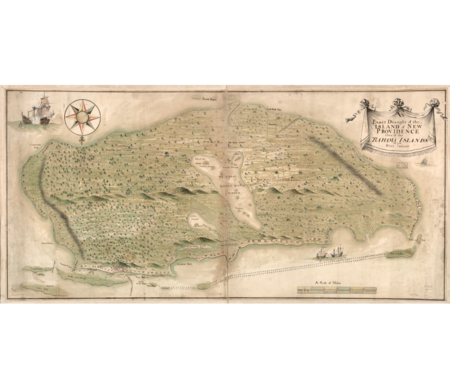
In 1720, Nassau, the capital of the Bahamas, faced a significant threat during the War of the Quadruple Alliance when Spanish forces launched an attack on the settlement. This conflict was part of a larger struggle involving multiple European powers, including Spain, Britain, France, and the Holy Roman Empire, each vying for control and influence in the Caribbean and beyond. The attack on Nassau was a pivotal moment, highlighting the ongoing tensions in the region and the vulnerability of British colonial holdings. Following this tumultuous period, significant reforms were initiated in 1729, leading to the establishment of a local assembly that granted a degree of self-governance to British settlers in the Bahamas. These reforms were part of a broader strategy to stabilize the colony and were authorized by Governor George Phenney in July 1728. The establishment of a local assembly marked a crucial step towards self-determination for the settlers, allowing them to have a voice in their governance and contributing to the development of the Bahamas as a more autonomous entity within the British Empire. #mooflife #mof #MomentOfLife #Nassau #SpanishAttack #WarOfTheQuadrupleAlliance #Self-governance #BahamasHistory

Explore the Life Moments of
 AI Twin