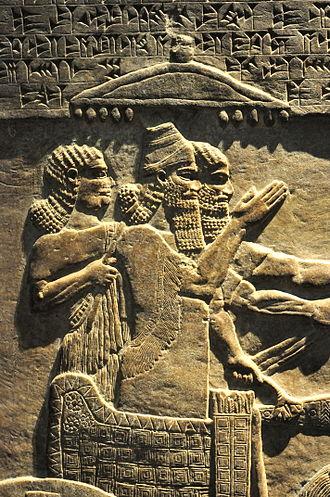
Tiglath-Pileser III rules Babylon directly
Iraq
Ancient History
Assyrian Empire
Babylonian History
4 min read
Updated By: Akila Ranathunga
Published:
Updated:
Tiglath-Pileser III, the Assyrian king, made a pivotal decision to rule Babylon directly, marking a shift in the governance of the region. This change ended a long-standing practice where Babylonian kings served as vassals under Assyrian authority. For over two centuries, Babylon had been governed by local rulers who were subordinate to Assyria, but Tiglath-Pileser III sought to consolidate power and assert direct control over this significant territory. This move was part of a broader strategy to strengthen Assyrian influence and administration in the region, which had been a focal point of conflict and power struggles among various empires. By taking direct control, Tiglath-Pileser III aimed to enhance the efficiency of governance and ensure loyalty from the Babylonian populace, which had often been a source of rebellion against Assyrian rule.
The direct rule of Babylon by Tiglath-Pileser III had several implications for the region. It facilitated the introduction of Eastern Aramaic, which became a prominent language in the area, influencing communication and administration. This period also saw the integration of Babylonian culture into the Assyrian administrative framework, leading to a blend of traditions and practices. The direct governance model allowed for more streamlined decision-making processes and military mobilization, which were crucial for maintaining control over the diverse and often tumultuous populations of the region. The impact of this direct rule was felt not only in Babylon but also across the Assyrian Empire, as it set a precedent for future rulers regarding the management of conquered territories and the importance of cultural integration in governance.
#mooflife
#MomentOfLife
#Tiglath-pileserIii
#Babylon
#AssyrianEmpire
#EasternAramaic
#DirectRule

Explore the Life Moments of
 AI Twin