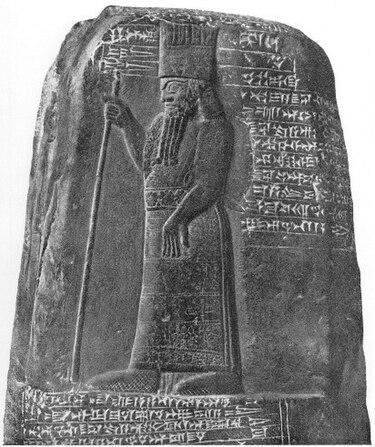
Restoration of Babylonian Rule by Nabû-mukin-apli
Iraq
Ancient History
Mesopotamian Studies
Archaeology
4 min read
Updated By: Akila Ranathunga
Published:
Updated:
Nabû-mukin-apli played a crucial role in the restoration of Babylonian rule, marking the beginning of Dynasty VIII. This period was characterized by a fragmented political landscape, with various regions of Babylonia under the control of external powers such as the Arameans and Suteans. The restoration initiated by Nabû-mukin-apli was significant as it aimed to re-establish Babylonian sovereignty amidst the pressures exerted by neighboring empires, particularly Assyria and Elam. These external forces had not only influenced the political dynamics of the region but had also appropriated aspects of Babylonian culture and governance, further complicating the restoration efforts. Nabû-mukin-apli's leadership was pivotal in reasserting Babylonian authority, although the challenges of maintaining control over a divided territory persisted.
Following Nabû-mukin-apli, the political situation in Babylonia remained precarious. The subsequent ruler, Ninurta-kudurri-usur II, faced the ongoing struggle of a weakened Babylonia, which continued to grapple with the dominance of external powers. The influence of the Arameans and Suteans was particularly pronounced, as they had established firm control over significant portions of the region. This period of Babylonian history illustrates the complexities of governance and the impact of external pressures on local rule. Despite the restoration efforts, Babylonia's political landscape remained unstable, highlighting the ongoing challenges faced by its rulers in asserting their authority and maintaining territorial integrity.
#mooflife
#MomentOfLife
#BabylonianRule
#Nabû-mukin-apli
#DynastyViii
#AncientMesopotamia
#PoliticalHistory

Explore the Life Moments of
 AI Twin