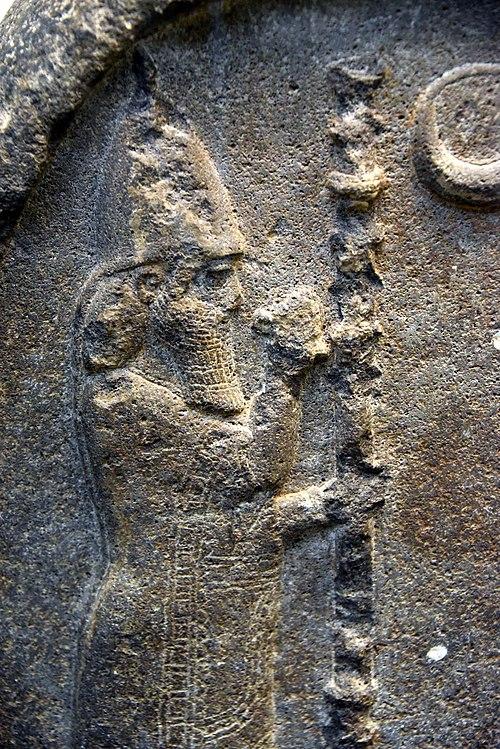
Last Babylonian King Nabonidus
Iraq
Ancient Civilizations
Babylon
4 min read
Updated By: Akila Ranathunga
Published:
Updated:
Nabonidus, the last king of Babylon, ascended to the throne after a tumultuous period marked by the assassination of the previous ruler, Labashi-Marduk. His rise to power was notable as he was not of Chaldean or Babylonian descent; rather, he was the son of an Assyrian priestess, Adda-Guppi. This background influenced his reign, as Nabonidus sought to establish his legitimacy and authority in a city that had deep-rooted Chaldean traditions. His rule is characterized by a focus on religious reforms, particularly the worship of the moon god Sin, which contrasted with the traditional Babylonian pantheon. This shift in religious focus led to tensions with the priesthood of Marduk, the chief deity of Babylon, and alienated many of his subjects. Nabonidus's reign also saw significant economic challenges and military pressures from neighboring powers, which further complicated his efforts to maintain control over the empire.
The impact of Nabonidus's reign was profound, as it marked the end of the Neo-Babylonian Empire. His decision to spend a considerable amount of time in the Arabian oasis of Tayma, away from Babylon, raised questions about his commitment to the city and its people. This absence allowed for the rise of dissent and weakened the central authority. Eventually, his son, Belshazzar, served as regent in Babylon during his father's absence. The culmination of Nabonidus's reign came with the Persian conquest of Babylon, which was facilitated by the internal strife and dissatisfaction among the populace. The fall of Babylon under his rule not only ended the Chaldean dynasty but also ushered in a new era of Persian dominance in the region, fundamentally altering the political landscape of the ancient Near East.
#mooflife
#MomentOfLife
#Nabonidus
#BabylonianHistory
#ChaldeanDynasty
#PersianConquest
#AncientNearEast
Explore the Life Moments of
 AI Twin