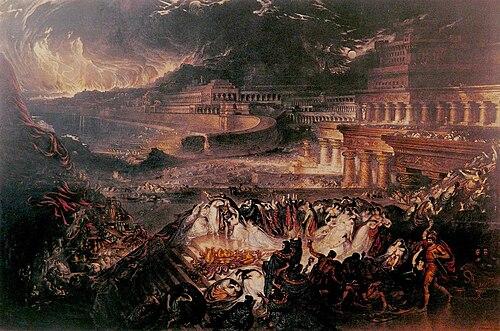
Fall of Nineveh After Prolonged Siege
Iraq
Ancient Civilizations
4 min read
Updated By: Akila Ranathunga
Published:
Updated:
The fall of Nineveh marked a pivotal moment in the history of the ancient Near East, culminating from a prolonged siege that lasted several years. Nineveh, the capital of the Assyrian Empire, faced a coalition of forces that included the Medes, Babylonians, and Scythians. This alliance sought to dismantle Assyrian dominance in the region, which had been characterized by military expansion and territorial control. The siege was marked by fierce fighting, with both sides suffering significant casualties. The Assyrian king, Sin-shar-ishkun, played a crucial role in the defense of the city, rallying his forces against the invading coalition. However, despite his efforts, the relentless attacks and the strategic advantages held by the alliance ultimately led to the city's downfall. The siege not only exhausted the resources of Nineveh but also demoralized its defenders, contributing to the eventual breach of the city's walls.
The sacking of Nineveh had far-reaching consequences for the region. It signified the end of the Assyrian Empire, which had been one of the most powerful empires of its time. The destruction of Nineveh led to a power vacuum in the Near East, allowing for the rise of new powers, particularly the Neo-Babylonian Empire. The fall of the city also resulted in significant cultural and economic shifts, as the once-thriving metropolis was reduced to ruins. Historical records indicate that the event was not only a military defeat but also a cultural loss, as many of the city's libraries and temples were destroyed. The impact of the fall of Nineveh is still studied today, as it illustrates the dynamics of power, warfare, and the eventual decline of empires in ancient history.
#mooflife
#MomentOfLife
#Nineveh
#AssyrianEmpire
#Siege
#FallOfEmpires
#AncientHistory

Explore the Life Moments of
 AI Twin