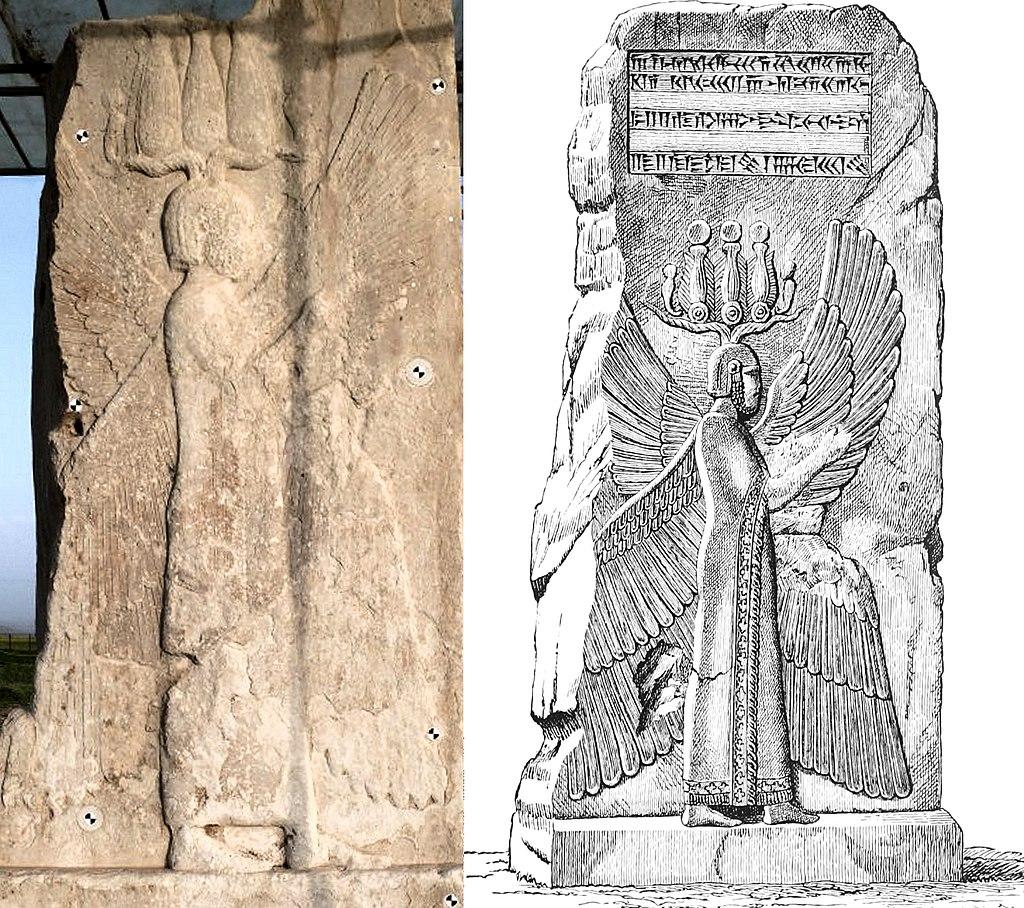
Cyrus the Great and Nabonidus Era
Iraq
Ancient Civilizations
3 min read
Updated By: Akila Ranathunga
Published:
Updated:
Cyrus the Great, known as the Achaemenid Persian king of Anshan, initiated a revolt against Astyages, the king of the Medes, at Ecbatana. This revolt marked a pivotal moment in the history of the region, as it set the stage for the rise of the Achaemenid Empire. The political landscape of Mesopotamia was characterized by vulnerability, particularly for Babylonia, which lacked the military strength of Assyria to deter foreign invasions. The weakening of Babylonian power made it susceptible to external threats, and the revolt by Cyrus was a direct challenge to the existing order. The conflict between Cyrus and Astyages was not merely a local skirmish; it had broader implications for the balance of power in the region. As Cyrus gained momentum, he was able to consolidate his forces and expand his influence, ultimately leading to the downfall of the Median Empire and the establishment of Persian dominance. This transition was significant as it marked the beginning of a new era in which the Achaemenid Empire would become one of the largest empires in history, stretching from the Indus Valley to the Aegean Sea. The impact of Cyrus's actions reverberated throughout the ancient world, influencing subsequent political structures and cultural exchanges across vast territories.
#mooflife
#MomentOfLife
#CyrusTheGreat
#AchaemenidEmpire
#Nabonidus
#Medes
#BabylonianHistory
Explore the Life Moments of
 AI Twin