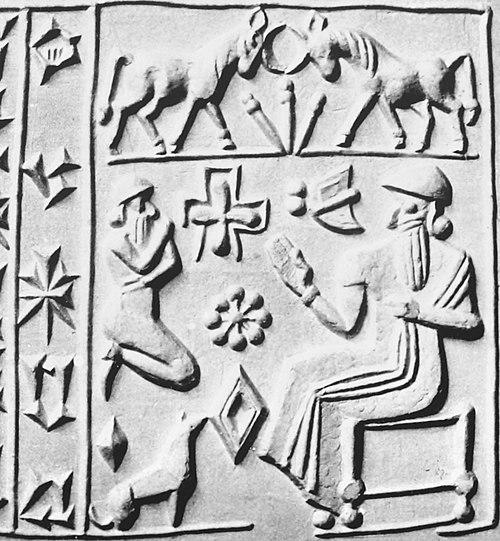
Burna-Buriash II Ascends to the Throne
Iraq
Ancient History
Mesopotamian Studies
Political Alliances
4 min read
Updated By: Akila Ranathunga
Published:
Updated:
Burna-Buriash II ascended to the throne during a period marked by significant geopolitical dynamics in the ancient Near East. His reign was characterized by the need to navigate complex relationships with neighboring powers, particularly Egypt and the resurgent Middle Assyrian Empire. The Assyrians, under the leadership of Ashur-uballit I, were expanding their influence into northern Babylonia, posing a potential threat to Babylonian sovereignty. In response to this encroachment, Burna-Buriash II sought to solidify his position through strategic alliances. One notable action was his marriage to the daughter of Ashur-uballit I, which served as a diplomatic gesture aimed at fostering peace between Babylon and Assyria. This alliance was crucial in mitigating tensions and establishing a framework for cooperation between the two kingdoms.
In addition to his dealings with Assyria, Burna-Buriash II also maintained cordial relations with the Hittites, particularly with their ruler Suppiluliuma I. The diplomatic ties with Egypt remained strong, reflecting a continuity of policy from his predecessor, Kadashman-Enlil I. These relationships were vital for trade and military support, allowing Babylon to navigate the challenges posed by its neighbors. The era of Burna-Buriash II was thus marked by a blend of diplomacy and strategic marriages, which were essential for maintaining stability in a region often fraught with conflict. The impact of his reign can be seen in the relative peace that characterized Babylon during this time, as well as in the continued cultural and economic exchanges with surrounding civilizations.
#mooflife
#MomentOfLife
#Burna-buriashIi
#Babylon
#Assyria
#Hittites
#AncientNearEast

Explore the Life Moments of
 AI Twin