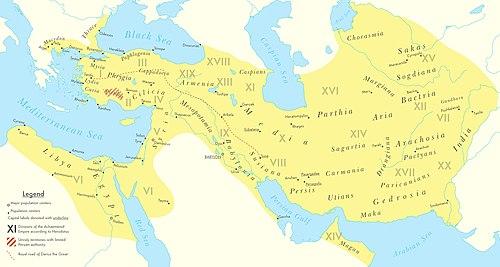
Babylonia absorbed into Achaemenid Empire
Iraq
Ancient Civilizations
Historical Empires
Middle Eastern History
4 min read
Updated By: Akila Ranathunga
Published:
Updated:
Babylonia was incorporated into the Achaemenid Empire, marking a pivotal expansion of Persian influence in the region. This integration transformed Babylonia into the satrapy of Babirush, a term derived from Old Persian. The Achaemenid Empire, known for its administrative sophistication, established a system of satrapies to manage its vast territories. Babylonia, with its rich cultural heritage and historical significance, became an essential part of this administrative framework. The Achaemenid rulers recognized the importance of Babylon, a city that had been a center of civilization for centuries, and sought to maintain its cultural identity while integrating it into the broader empire. This approach facilitated the administration of diverse populations and cultures under Achaemenid rule, promoting stability and economic growth across the region.
The impact of Babylonia's absorption into the Achaemenid Empire was profound. It allowed for the consolidation of power and resources, enabling the Achaemenids to exert control over a significant portion of the ancient Near East. The incorporation of Babylonia also meant that the empire could leverage the region's agricultural productivity and trade networks. Furthermore, the elevation of Cambyses II as king of Babylon underscored the importance of the city within the empire's hierarchy. This strategic move not only solidified Achaemenid authority but also fostered loyalty among the Babylonian populace. The Achaemenid Empire's policies towards Babylonia exemplified a blend of respect for local traditions and the imposition of imperial governance, which would influence subsequent empires in their approach to managing diverse territories.
#mooflife
#MomentOfLife
#Babylonia
#AchaemenidEmpire
#Satrapy
#CambysesIi
#PersianHistory

Explore the Life Moments of
 AI Twin