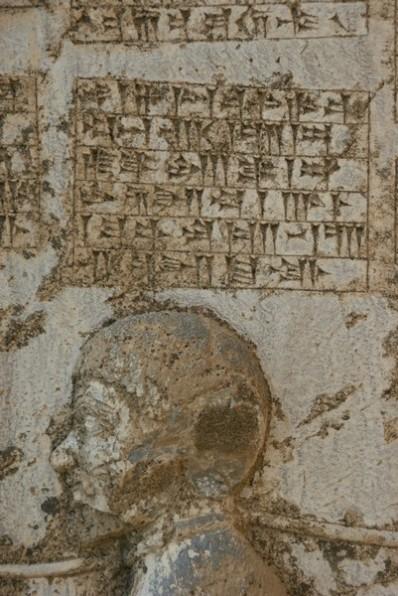
Babylon revolts under Nebuchadnezzar IV
Iraq
Historical Events
Ancient Civilizations
Revolts and Uprisings
3 min read
Updated By: Akila Ranathunga
Published:
Updated:
Babylon experienced a notable revolt under the leadership of Nebuchadnezzar IV, an Urartian king. This uprising was part of a broader pattern of resistance against foreign domination in the region. The context of this revolt can be traced back to the political instability and power struggles that characterized the area during this period. Babylon had previously been under the control of various empires, and the local population often sought to reclaim their autonomy. The revolt under Nebuchadnezzar IV was significant as it highlighted the ongoing tensions between Babylon and the ruling powers of the time, particularly the Persian Empire, which had been expanding its influence across the region. The Urartian king's leadership during this revolt was marked by attempts to galvanize support from the local populace, who were discontent with foreign rule. The revolt was not an isolated incident; it was part of a series of uprisings that reflected the broader resistance movements in the ancient Near East, where various groups sought to assert their independence and challenge the dominance of larger empires. The impact of this revolt was felt not only in Babylon but also in the surrounding regions, as it contributed to the ongoing cycle of conflict and resistance that characterized the political landscape of the time.
#mooflife
#MomentOfLife
#Babylon
#NebuchadnezzarIv
#UrartianKing
#Revolt
#AncientNearEast

Explore the Life Moments of
 AI Twin