The Atabeg of Azerbaijan: Eldiguzids' Legacy
Azerbaijan
Political
CulturalDevelopment
4 min read
Updated By: History Editorial Network (HEN)
Published:
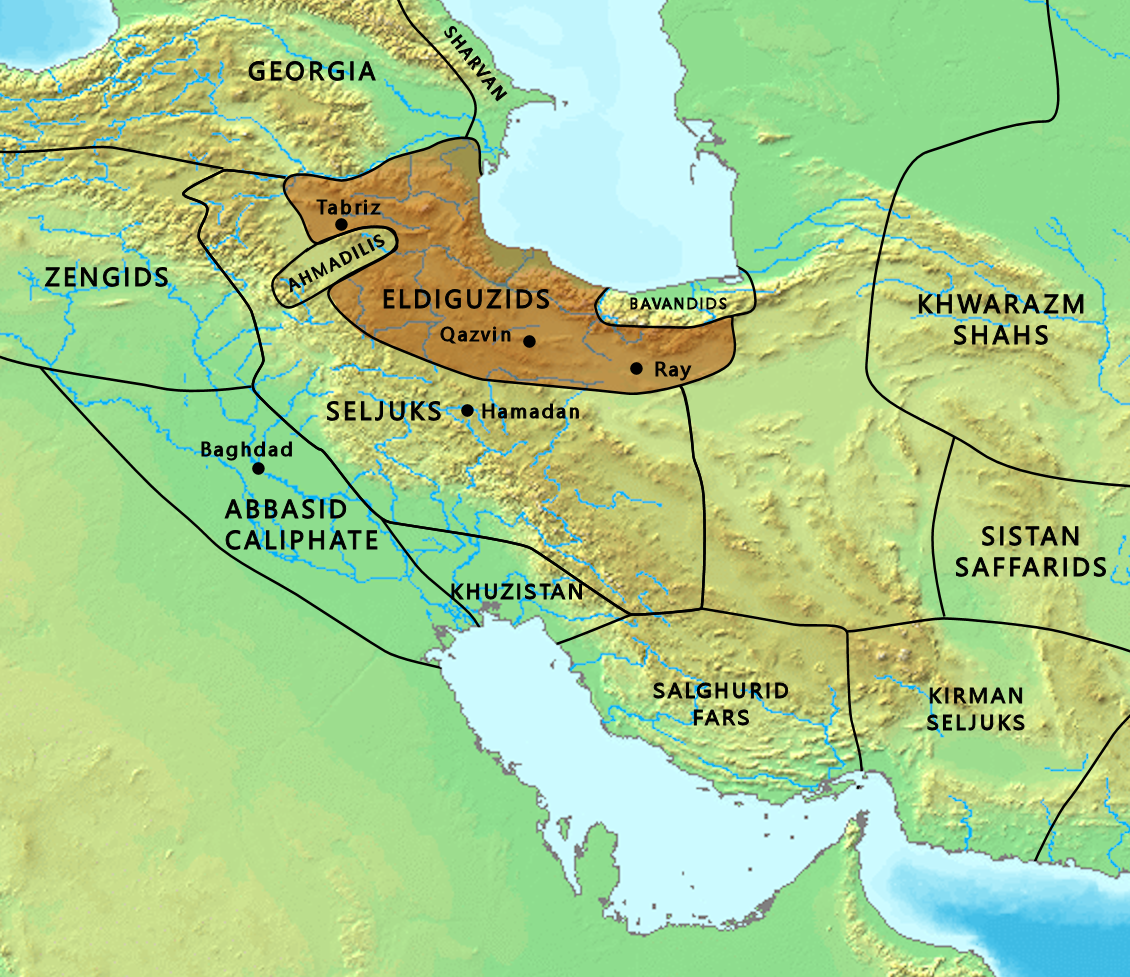
In the year 1137, the Eldiguzids established the Atabeg of Azerbaijan, ushering in a new era of governance in the region. This move marked a turning point in the political landscape of Azerbaijan. The Atabeg was a semi-independent ruler who governed on behalf of the Seljuk Empire, effectively becoming the de facto ruler of the region.
The Eldiguzids, a Turkic tribal confederation, rose to power in the 11th century and played a crucial role in shaping the political dynamics of the Caucasus and Western Asia. By establishing the Atabeg of Azerbaijan, they solidified their control over the region and wielded significant influence in the Seljuk Empire.
Under the Atabeg's rule, Azerbaijan experienced a period of relative stability and prosperity. The Atabeg oversaw the administration of the region, maintained law and order, and supported cultural and economic development. This period witnessed advancements in various fields, including architecture, literature, and trade.
The establishment of the Atabeg of Azerbaijan had far-reaching consequences for the region. It not only centralized power and authority but also set the stage for future developments in Azerbaijani history. The Atabegs played a pivotal role in defending the region against external threats and expanding its influence.
Overall, the establishment of the Atabeg of Azerbaijan by the Eldiguzids in 1137 was a significant milestone in the region's history. It represented a shift in governance and power dynamics, consolidating control under a semi-independent ruler. The legacy of the Atabegs endured for centuries, shaping the cultural, political, and social fabric of Azerbaijan.
#Azerbaijan #Eldiguzids #Atabeg #PoliticalHistory #CulturalDevelopment #SeljukEmpire
Explore the Life Moments of
 AI Twin