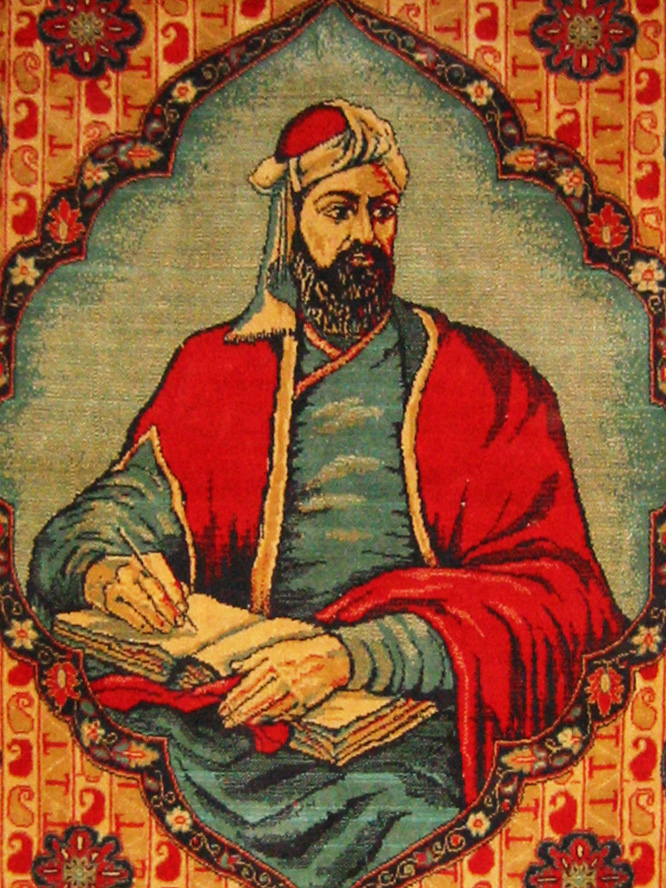
Nizami Ganjavi, one of the greatest Persian poets and philosophers, is born in Ganja, Azerbaijan.
Azerbaijan
9 min read
Updated By: History Editorial Network (HEN)
Published:
In 1141, one of the most illustrious figures in Persian literature and philosophy, Nizami Ganjavi, was born in Ganja, Azerbaijan. Nizami's works, rich in both literary merit and philosophical depth, have left an indelible mark on Persian culture and the broader literary world. His poetry not only reflects the cultural and social milieu of his time but also transcends it, resonating with universal themes and human experiences.
Early Life and Education
Nizami Ganjavi, born Jamal ad-Din Abu Muhammad Ilyas ibn-Yusuf ibn-Zakki, was raised in Ganja, a prominent city in the region that is now part of modern Azerbaijan. His early education was thorough, encompassing a wide array of subjects including literature, theology, philosophy, astronomy, and mathematics. This diverse education deeply influenced his writing, imbuing his poetry with a profound philosophical and intellectual depth.
Literary Contributions
Nizami is best known for his "Khamsa" or "Quintet," a collection of five epic poems that stand as monumental achievements in Persian literature. These works are:
Makhzan al-Asrar (The Treasury of Mysteries): This didactic poem addresses ethical and philosophical themes, offering insights into human behavior, the nature of the divine, and the moral responsibilities of individuals.
Khosrow and Shirin: A romantic epic that tells the story of the love between the Sasanian king Khosrow II and the Armenian princess Shirin. This work is celebrated for its vivid character development and exploration of the complexities of love and duty.
Leyli and Majnun: Another romantic epic, this poem narrates the tragic love story of Leyli and Majnun, two star-crossed lovers whose tale of unfulfilled love has become iconic in Persian literature and beyond. The poem delves into themes of love, madness, and the social constraints that impede personal happiness.
Haft Paykar (The Seven Beauties): This narrative poem chronicles the life of Bahram Gur, a Sasanian king, and his interactions with seven princesses from different regions. Through their stories, Nizami explores themes of leadership, justice, and the moral responsibilities of rulers.
Eskandar-nameh (The Book of Alexander): This epic reimagines the life of Alexander the Great, blending historical facts with legend and moral instruction. Nizami presents Alexander as a philosopher-king whose quests and conquests are as much about wisdom and knowledge as they are about power.
Philosophical Themes
Nizami's poetry is distinguished by its rich tapestry of philosophical and ethical themes. His works often explore the nature of love, the relationship between the individual and the divine, and the moral responsibilities of leaders. Nizami's writing reflects a deep understanding of human nature and the complexities of life, drawing on Sufi mysticism and Islamic ethics.
For instance, in "Makhzan al-Asrar," Nizami uses allegory and parable to convey profound spiritual and ethical lessons. Similarly, in "Khosrow and Shirin" and "Leyli and Majnun," he portrays love not merely as a romantic ideal but as a transformative force that can lead to spiritual enlightenment and personal growth.
Cultural Impact
Nizami's influence extends far beyond the realm of literature. His works have been translated into numerous languages and have inspired countless poets, writers, and artists across cultures and centuries. His portrayal of love, valor, and moral integrity continues to resonate with readers around the world.
In Azerbaijan, Nizami is celebrated as a national poet and a cultural icon. His birthplace, Ganja, honors his legacy with monuments, museums, and cultural festivals dedicated to preserving and promoting his works. Nizami's impact on Persian literature is comparable to that of Shakespeare in English literature, serving as a cornerstone of cultural identity and literary excellence.
#MomentsOfLife #MoofLife_Moment #MoofLife #NizamiGanjavi #PersianLiterature #AzerbaijanHistory #EpicPoetry #Philosophy #CulturalHeritage

Explore the Life Moments of
 AI Twin