Defended Myanmar Military at ICJ
The Hague, Netherlands
International Law
Human Rights
Political Affairs
9 min read
Updated By: History Editorial Network (HEN)
Published:
Updated:
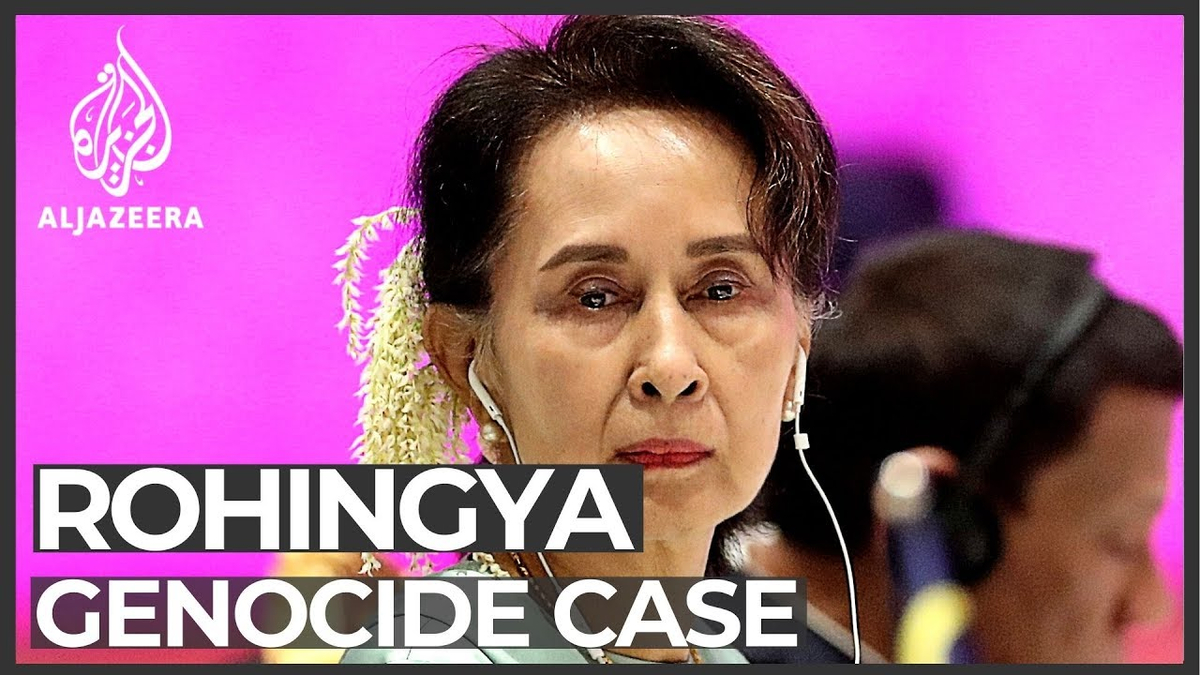
In December 2019, Myanmar’s civilian leader Aung San Suu Kyi appeared before the International Court of Justice (ICJ) in The Hague to defend her country against allegations of genocide against the Rohingya Muslim minority. The hearings were held from 10/12/2019 to 12/12/2019 and were part of a case filed by The Gambia under the 1948 Convention on the Prevention and Punishment of the Crime of Genocide. The case accused Myanmar of committing genocidal acts during military operations in Rakhine State that began in 2017.
Aung San Suu Kyi attended the proceedings as Myanmar’s representative and delivered arguments rejecting the accusation that the country’s military had committed genocide. She told the court that the military’s actions were part of an internal armed conflict triggered by attacks from the Arakan Rohingya Salvation Army (ARSA), an insurgent group that carried out coordinated assaults on police posts in August 2017. According to her defense, the military response was aimed at countering terrorism and restoring order, and she argued that some international reports had presented an incomplete or misleading picture of the situation.
The case brought by The Gambia alleged that Myanmar’s security forces had carried out widespread violence against Rohingya civilians, including killings, sexual violence, and the destruction of villages. International investigators and human rights organizations had documented large-scale displacement following the 2017 military operations. More than 700,000 Rohingya fled from Myanmar’s Rakhine State to neighboring Bangladesh, where many settled in refugee camps in the Cox’s Bazar region, which became one of the largest refugee settlements in the world.
Suu Kyi’s appearance before the ICJ drew significant international attention. Once widely recognized for her role in Myanmar’s pro-democracy movement, she faced criticism from some human rights advocates who said her defense of the military contradicted her previous image as a champion of democratic values and human rights. Supporters inside Myanmar, however, largely rallied behind her position, viewing her defense as a protection of national sovereignty and the country’s legal position before the international court.
The ICJ hearings marked the first stage of the case, which focused on provisional measures requested by The Gambia to protect the Rohingya population while the court considers the broader genocide allegations. On 23/01/2020, the court later ordered Myanmar to take steps to prevent acts of genocide and to preserve evidence related to the case while the proceedings continue.
● Aung San Suu Kyi, the leader of Myanmar's National League for Democracy, represented her country at the International Court of Justice (ICJ) in response to allegations of genocide against the Rohingya people. The Rohingya, a Muslim minority group in Myanmar, have faced severe persecution, leading to a humanitarian crisis that has drawn international condemnation. The ICJ proceedings were initiated following a case brought by The Gambia, which accused Myanmar of violating the Genocide Convention. During her defense, Aung San Suu Kyi argued that the military's actions were a legitimate response to terrorism and that the situation was misrepresented by the international community. This defense was controversial, as many viewed it as a betrayal of her previous stance on human rights and democracy. The Rohingya crisis has resulted in over 700,000 individuals fleeing to neighboring Bangladesh, creating one of the largest refugee camps in the world. The ongoing conflict has raised questions about accountability and the role of the military in Myanmar's governance, especially in light of the military coup that occurred shortly after the general elections, where Aung San Suu Kyi's party secured a significant victory. The ICJ's involvement highlights the complexities of international law in addressing allegations of genocide and the challenges faced by nations in reconciling internal conflicts with global human rights standards.
#mooflife
#MomentOfLife
#Myanmar
#AungSanSuuKyi
#InternationalCourtOfJustice
#Rohingya
#Genocide
Primary Reference
Aung San Suu Kyi arrives at ICJ as Myanmar faces genocide case

Explore the Life Moments of
 AI Twin